
M&M calls for level playing field for EVs amid Tesla's India entry plans
India sold 4 million cars last year and just 82,000 of those were EVs, but the nascent segment clocked sales growth of 115% versus the previous year
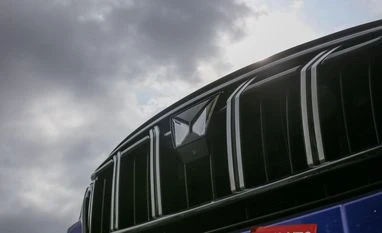 "M&M calls for level playing field for EVs amid Tesla's India entry plans")
Explore Business Standard
India sold 4 million cars last year and just 82,000 of those were EVs, but the nascent segment clocked sales growth of 115% versus the previous year
Indian automaker Mahindra & Mahindra has told the government there must be a level playing field between domestic and foreign players and local manufacturing must be promoted, a top executive said, as New Delhi seeks to lure carmakers such as Tesla.
Mahindra and Tata Motors have pressed Indian officials privately not to lower import taxes of 100 per cent on electric vehicles and protect domestic firms and their foreign investors as the government reviews Tesla's plans to enter the market, Reuters reported last month.
Asked about Tesla's entry and New Delhi's planned policy to lower import taxes, Mahindra Managing Director Anish Shah said his company had made representations to Indian officials saying global EV makers must be nudged to invest in India.
"It should be a level playing field and investing in India is important," Shah told Reuters in an interview at the World Economic Forum annual meeting, without referring to Tesla by name.
"Our approach is essentially to create a stronger industry in India, and not to be in a situation where manufacturing is done outside India, and India just becomes an importer of products," he added.
India sold 4 million cars last year and just 82,000 of those were EVs, but the nascent segment clocked sales growth of 115 per cent versus the previous year.
Mahindra has raised around $400 million from Singapore's Temasek and British International Investment, while private equity firm TPG and Abu Dhabi state holding company ADQ invested $1 billion in 2021 in Tata.
Shah said Mahindra has plans to list its EV unit, but not before 2029 "because we need to be able to show significant success in that business."
"For us, electric is the future," he said.
Tesla has proposed setting up an Indian factory but also demanded lower import taxes for electric cars. India is working on a new policy to cut import taxes on EVs to as low as 15 per cent for companies committing to some local manufacturing, Reuters has reported.
But that has worried the Indian industry with sources saying Tesla's entry could risk future fundraising of Indian EV companies as they need a stable and favourable import tax regime.
(Only the headline and picture of this report may have been reworked by the Business Standard staff; the rest of the content is auto-generated from a syndicated feed.)
First Published: Jan 16 2024 | 5:41 PM IST


