Home / Companies / News / Why Moet Hennessy is slashing jobs and retreating from retail bets
Why Moet Hennessy is slashing jobs and retreating from retail bets
Job cuts, failed acquisitions and aggressive pricing have left LVMH's spirits division in turmoil, as new leadership scrambles to stabilise performance and regain retailer confidence
Moët Hennessy, the drinks division of luxury group Louis Vuitton Moët Hennessy (LVMH), has gone from being a 1 billion euro cash generator in 2019 to burning through 1.5 billion euro in 2024, according to a report by the Financial Times. The sharp reversal in fortunes comes amid collapsing sales, misjudged acquisitions and unsustainable price hikes which has culminated in a major leadership shake-up and a sweeping cost-cutting drive.
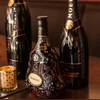
The group, known for Dom Pérignon champagne and Hennessy cognac, has been hit hard by a global slowdown in alcohol sales. But the report said that decisions taken under former chief executive Philippe Schaus, who exited in early 2025, worsened the situation. These included excessive price increases, a troubled push into direct-to-consumer retailing, and a series of underperforming acquisitions.
How did Moët Hennessy go from profit engine to loss-making division?
For years, Moët Hennessy was one of LVMH’s most profitable divisions. But a February 2024 internal presentation warned senior managers: “Need to save cash!”, signalling a shift in tone as pandemic-era sales momentum reversed, the report said.
Despite signs of trouble, the group pushed ahead with price increases in 2021 and 2022, with portfolio-wide prices rising by over a third since 2019. Retailers began resisting, and internally, some managers voiced concern that margin preservation had become a “mantra”, even at the cost of sales volume.
In 2024, sales at Moët Hennessy dropped close to 2019 levels, with profit from recurring operations falling 36 per cent to 1.35 billion euro. The division’s profit margin stood at 23 per cent, achieved largely through higher pricing, despite falling volumes.
In April 2025, LVMH reported a 9 per cent organic decline in wine and spirits sales in the first quarter, triple the 3 per cent fall recorded across the broader group.
Moët Hennessy’s struggles became public earlier this month when reports emerged that the new executives at the firm plan to cut about 1,200 jobs. Staff were also warned that a recovery in sales is unlikely in the near term.
The company’s leadership was overhauled in February 2025. Jean-Jacques Guiony, previously LVMH’s chief financial officer, took over as chief executive. He was joined by Alexandre Arnault, son of LVMH chairman Bernard Arnault and a former senior executive at Tiffany, as deputy chief executive.
The new leadership has been tasked with reviewing the group’s portfolio and scaling back unprofitable ventures, including the direct-to-consumer retail arm and private sales business.
How Moët Hennessy’s acquisitions added complexity and cost
Moët Hennessy’s 2 billion euro acquisition spree between 2021 and 2023, spearheaded by Schaus, was aimed at diversifying beyond champagne and cognac, which then made up over 80 per cent of sales. Key deals included a 50 per cent stake in rapper Jay-Z’s Armand de Brignac champagne brand (2021), Napa Valley’s Joseph Phelps Vineyards (2022), Rosé producer Minuty (2023)
How Moët Hennessy’s direct-to-consumer strategy failed
In a bid to reach consumers directly, Moët Hennessy opened Hennessy-branded stores in China and a Veuve Clicquot outlet in Paris’s Printemps department store. It also sold Dom Pérignon and Veuve Clicquot online.
However, the report said that the initiative is now losing millions annually and is under review. Similarly, Tannico, an e-commerce joint venture with Campari launched in 2021, has failed to take off.
Even as sales declined sharply in 2024, LVMH management pressed Moët Hennessy to bridge a 90 million euro gap in projected operating profit relative to its 2024 targets.
Outlook: Can Moët Hennessy recover its premium brand advantage?
While Moët Hennessy still holds iconic global brands, the path to recovery will depend on reversing strategic missteps and regaining the confidence of both retailers and consumers.

 "Why Moet Hennessy is slashing jobs and retreating from retail bets")


