As India gears up for the Union Budget on July 23, the agricultural sector stands at a crossroad of growth. The interim Budget earmarked strong funding for the agriculture sector, reflecting the government's commitment to the sector's growth. The upcoming Budget will play a crucial role in shaping the future of Indian agriculture. Some of the industry priorities include:
Import duty reform for edible oil sector
As a net importer of edible oils, India continues to face challenges that impact its foreign exchange reserves. The government’s 100-day agenda includes reducing imports of edible oil further and increasing domestic production of oilseeds. This vision holds immense promise, but its realisation depends on the financial support and policy interventions provided in the upcoming Budget.
A primary industry concern is the inverted duty structure imposed on edible oils under the current GST framework. With a tax rate of 5 per cent on the supply of edible oils, manufacturers face significant challenges in reaping the benefits of input tax credit. Wider import duty differential between crude and refined palm is needed as the current duty differential of 7.5 per cent is too narrow.
This is also an opportune time to revoke the notification issued by the Central Board of Indirect Taxes and Customs. It classifies corporate guarantees provided by offshore holding companies for subsidiary credit approvals as a "supply of service," subject to GST on a deemed value of service of 1 per cent, even if no actual consideration is charged.
A dynamic slab import duty system linked to international prices, oilseeds minimum support price (MSP), and the consumer price index could offer a more balanced approach to farm and consumer prices. By aligning import duties with domestic production levels, this framework shields Indian farmers from the negative impacts of inexpensive imports during periods of ample domestic production.
Lower duty on corn, wheat
With domestic corn prices soaring due to strong demand from poultry sector and ethanol manufacturers, lowering the import duty on corn tariff-rate quote (TRQ) from 15 per cent to 0 per cent is imperative. This will help alleviate the starch industry’s struggles stemming from scarce domestic corn availability. Resuming wheat imports on reduced duty is also required to control prices and ensure ample supplies.
Dairy, poultry sectors
Poultry is among the fastest-growing segments of India's agricultural sector, deserving special attention. Establishing a dedicated body to promote chicken and egg exports will propel India as an export hub, making it the world's largest egg producer. Moreover, implementing a stringent ban on antibiotic growth promoters in poultry will enhance both animal welfare and product quality. Also reducing the current 18 per cent tax on biosecurity products, are some key measures to bolster growth and safety standards in the poultry sector.
To sustain the booming poultry sector, infrastructure development is essential. Proper storage facilities for eggs can reduce price volatility and enhance farmer profitability. Allocating budgetary provisions for a digital stack in the poultry supply chain would provide quality inputs to farmers and connect them to the market, improving production quality and securing better prices.
India is the world’s largest producer of milk, and our dairy sector sustains the livelihoods of 80 million farmers. A public-private partnership (PPP) framework can help enhance infrastructure in this segment where private sector partners become an integral part of government initiatives such as the National Livestock Mission and the Kamdhenu scheme and enable better impact on aspects like farm management, infrastructure, and animal nutrition.
Sustainable dairy farming
To achieve the goal of becoming the largest producer of quality milk globally and an exporter of processed milk products, sustainable dairy farming practices must be encouraged. The Budget could consider setting up a nutritional efficiency project to improve productivity, thereby reducing the carbon footprint of this sector.
To ensure self-sufficiency in quality feed, the government should include amino acids and vitamin production under the PLI scheme. Incentives or higher MSPs for corn, soya, and rapeseed farming are also required to secure raw materials for feed production.
Upskilling agricultural workforce
Agriculture urgently needs workforce upskilling. Budgetary provisions for farmer training programs that educate farmers about various aspects of agriculture can be highly effective.
The Union Budget 2024 is an opportunity to transform India's agricultural landscape. By focusing on the immediate priorities as well as long-term strategic goals, the government can create a self-reliant agricultural sector, ensuring food security and economic prosperity for the nation. This will position India to meet the ambitious targets of Viksit Bharat@2047, fostering a future where India becomes a global leader in agriculture.
The writer is president, Cargill India, and managing director, Cargill Food Solutions, South Asia
These are the personal opinions of the writer. They do not necessarily reflect the views of
www.business-standard.com or the Business Standard newspaper

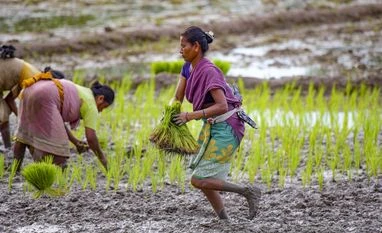 "Budget 2024: Agri sector's wish list for developed, self-reliant India")

