
7.2% GDP growth is historic given the global situation: Piyush Goyal
Commenting on Morgan Stanley's report, he said it reflects India's growing global image and fast economic growth
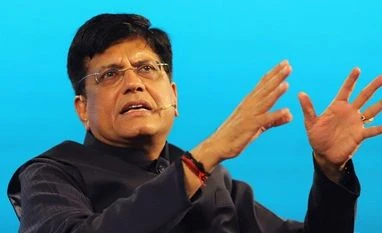 "7.2% GDP growth is historic given the global situation: Piyush Goyal")
Explore Business Standard
Commenting on Morgan Stanley's report, he said it reflects India's growing global image and fast economic growth
Commerce and Industry Minister Piyush Goyal on Thursday said a 7.2 per cent growth in GDP in 2022-23 is historic, given the current global economic situation, and going forward India would emerge as a developed nation in the next 25 years.
Commenting on Morgan Stanley's report, he said it reflects India's growing global image and fast economic growth.
India continues to maintain its streak of world-beating economic growth after GDP for the March quarter beat all expectations with a 6.1 per cent expansion that helped push the annual growth rate to 7.2 per cent.
Morgan Stanley in its report said that India, under Prime Minister Narendra Modi, has transformed, gaining a position in the world order and becoming a key driver for Asia and global growth.
Last year was challenging as the world was coming out of the impact of the Covid pandemic and the war between Russia and Ukraine, he said, adding that in such a background, developed economy was severely impacted but steps taken by the Indian government helped the country emerge as a fast growing economy and a "7.2 per cent GDP growth is historic, given the global situation," he told reporters here.
He said that increase in overseas inflows reflects a growing confidence of foreign firms in India.
"Democracy, demography and demand will help India move at a faster pace. In the next 25 years, we will emerge as a developed nation," Goyal said.
He added that measures such as creation of world-class infrastructure, including roads, ports, airports and digital connectivity, and record GST collections are clear indications of increasing economic growth in the country.
In the report, Morgan Stanley has said that a significant scepticism about India, particularly with overseas investors, ignores the significant changes that have taken place in India, especially since 2014.
Rejecting criticism that India has not delivered its potential (despite it being the second-fastest-growing economy and among the top-performing stock markets over the past 25 years) and that equity valuations are too rich, the Morgan Stanley report said, such a view ignores the systematic reforms in the last nine years.
"This India is different from what it was in 2013. In a short span of 10 years, India has gained positions in the world order with significant positive consequences for the macro and market outlook," it has said, adding, "India has transformed in less than a decade."
Listing the 10 big changes that have happened since Prime Minister Narendra Modi took office in 2014, the brokerage said, bringing corporate tax at par with peers and infrastructure investment picking pace are one of the biggest supply-side policy reforms.
(Only the headline and picture of this report may have been reworked by the Business Standard staff; the rest of the content is auto-generated from a syndicated feed.)
First Published: Jun 01 2023 | 7:42 PM IST


