
India must tread carefully in US trade talks amid legislative risks: GTRI
It also said that the certification process allows the US to effectively re-negotiate the trade agreement after it is signed
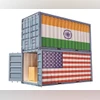 "India must tread carefully in US trade talks amid legislative risks: GTRI")
Explore Business Standard

Associate Sponsors
It also said that the certification process allows the US to effectively re-negotiate the trade agreement after it is signed
India must be cautious while negotiating the proposed bilateral trade agreement with the US, as the absence of Fast Track Trade Authority in America makes any pact vulnerable to Congressional changes, economic think tank GTRI said on Tuesday.
It also said that the certification process allows the US to effectively re-negotiate the trade agreement after it is signed, demanding domestic legal changes, regulatory reforms, and policy shifts that could undermine India's sovereignty.
"As negotiations continue, the path forward demands not only diplomatic skill but also vigilance against legal asymmetries embedded in America's trade playbook," Global Trade Research Initiative (GTRI) Founder Ajay Srivastava said.
Without the Fast Track Authority in place and with the precedent of post-agreement certification allowing the US to impose additional demands, the risk of asymmetric obligations is real, he added.
The US Fast Track Trade Authority (also known as Trade Promotion Authority) is a special mechanism that allows the American President to negotiate trade agreements and present them to Congress for an up-or-down vote, without amendments or procedural delays.
This authority has historically played a key role in finalising and approving FTAs (Free Trade Agreements) swiftly, having enabled major agreements such as the North American Free Trade Agreement.
Srivastava said that however, since 2021, this authority has lapsed and has not been renewed and without this authority, any trade agreement negotiated by the US President is exposed to Congressional scrutiny, possible amendments, delays, or outright rejection.
He added that even more concerning for India is the US's post-FTA certification mechanism, a practice where America unilaterally determines whether a partner country has fulfilled its obligations under the agreement.
The agreement does not enter into force until the US issues this certification, which historically has been used to pressure countries into making additional legal and policy changes not specified in the original FTA text, Srivastava said.
"These two factors create serious uncertainty. They can allow the US to change the deal later or demand more than what was originally agreed. India must proceed with caution as it negotiates its FTA with the US. The absence of the authority exposes any finalised agreement to unpredictable legislative intervention in Washington," he said.
Amid US President Donald Trump's plan to impose reciprocal tariffs on April 2, Indian and American officials will start formal talks on the proposed trade agreement from Wednesday here.
(Only the headline and picture of this report may have been reworked by the Business Standard staff; the rest of the content is auto-generated from a syndicated feed.)
First Published: Mar 25 2025 | 11:59 AM IST

