Home-cooked meals became cheaper in February, as the cost of both non-vegetarian and vegetarian thalis declined during the month, according to the latest report released by credit rating agency Crisil on Monday.
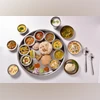
The price of a vegetarian thali declined by nearly 5 per cent to Rs 27.2 in February compared with the previous month, owing to a decline in the prices of onions (7 per cent), potatoes (17 per cent), and tomatoes (25 per cent) amid fresh arrivals.
Similarly, the price of a non-vegetarian thali also declined by nearly 5 per cent to Rs 57.4 in February, down from Rs 60.6 in January, due to a drop in broiler prices because of lower demand amid a bird flu scare in southern India.
This comes in the wake of a likely decline in India’s consumer price index (CPI)-based retail inflation during February, approaching or falling below the 4 per cent inflation target set by the Reserve Bank of India (RBI), due to easing prices across various goods categories, especially food items.
On February 7, addressing the customary post-policy review press conference, RBI Governor Sanjay Malhotra had said that food inflation pressures, absent any supply-side shocks, should see a softening due to good kharif production, easing winter vegetable prices, and favourable rabi crop prospects.
However, compared to the previous year, non-vegetarian thali prices were higher, while vegetarian thali prices declined in February. The price of a non-vegetarian thali was Rs 54, while the price of a vegetarian thali was recorded at Rs 27.5 in February 2024.
The report noted that the cost of a non-vegetarian thali was up by 6 per cent year-on-year, driven by an estimated 15 per cent year-on-year rise in broiler prices.
“The surge in broiler prices, which account for nearly 50 per cent of the cost of a non-vegetarian thali, is attributable to a low base last year when prices had declined due to excess supply. Elevated feed costs, owing to a 6 per cent year-on-year rise in maize prices, also contributed to the increase,” the report said.
The cost of a vegetarian thali, on the other hand, saw a year-on-year decline due to a fall in the prices of tomatoes and liquefied petroleum gas (LPG) cylinders.
Pushan Sharma, director - research, Crisil Intelligence, said that going forward, the arrival of fresh rabi crops is expected to keep vegetable prices subdued, offering continued relief for vegetarian thali costs.
“That said, temperature conditions in March will bear watching, as above-normal temperatures can impact the shelf life and quality of onions, which need to be stored for the next six months, as well as the quantity and quality of wheat—the most significant crop of the rabi season,” he added.
The credit rating agency calculates the average cost of preparing a thali at home based on input prices prevailing in north, south, east, and west India. The monthly change reflects the impact on common household expenditure. The data also reveals the ingredients (cereals, pulses, broilers, vegetables, spices, edible oil, and cooking gas) driving the change in thali costs.

 "Prices of veg, non-veg thali decline nearly 5% in February: Crisil")


