The Election Commission of India (ECI) on Tuesday announced that media persons covering "polling day activities" are now eligible to vote in the upcoming
Lok Sabha elections 2024 and state Assembly polls through postal ballots.
Postal ballots allow eligible voters to exercise their franchise when they are unable to cast their votes in person. This process has allowed more inclusivity and accessibility in the electoral process.
Here is everything you need to know about postal ballots and the voting process under this initiative.
What are Postal Ballots?
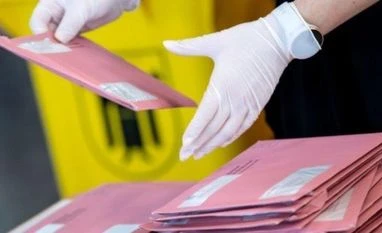
Postal ballots, also known as mail-in ballots, allow registered voters to cast their votes by mail instead of physically going to a polling station. This system serves as a convenient alternative for individuals unable to vote in person due to various circumstances, such as being away from their home constituency, facing a disability, or performing essential services on election day.
Who is eligible to cast their vote through postal ballots?
Eligible electors who can opt to vote through postal ballots include:
Service voters: Members of the armed forces, paramilitary forces, and government employees deployed on election duty far from their home constituencies.
Absentee voters: Individuals unable to vote in person due to reasons like work commitments, illness, or disability.
Electors on election duty: Government officials and polling staff assigned duties at polling stations other than their own.
Electors under preventive detention: Individuals detained under preventive custody orders during the election period.
Essential services covering polling day activities: Media persons with authorisation letters from the EC and those involved in essential services such as metros, railways, and healthcare have the option to vote using postal ballots in Lok Sabha and four state Assembly polls.
In October 2019, the Ministry of Law and Justice amended the Conduct of Election Rules, 1961, lowered the age from 85 to 80 and allowed Persons with Disabilities (PwDs) to cast votes through postal ballots in the 2020 Delhi Assembly polls.
Applying for a postal ballot
To apply for a postal ballot, eligible voters must apply, Form 12 D, to the returning officer (RO) of their respective constituency. The application typically requires personal details, voter identification information, and the reason for seeking a postal ballot. The RO verifies eligibility and issues the postal ballot if the criteria are met.
For service voters, the RO sends the postal ballot paper through the record office, directly or through the Ministry of External Affairs for service voters serving outside India.
For senior citizens, a team of two polling officials, a videographer, and security personnel will visit the residence of the elector to facilitate this process. Voters will be informed of the date and time of the officials visit via SMS.
What is the process of postal voting?
1. Receiving the postal ballot: Once approved, the RO sends the postal ballot to the voter's registered address, including the ballot paper, declaration form, secrecy sleeve, and pre-paid return envelope.
2. Marking the ballot: Voters mark their preferred candidate(s) on the ballot paper in the secrecy sleeve to ensure confidentiality.
3. Completing the declaration form: Voters fill out the declaration form, providing their signature and other relevant details.
4. Sealing the envelope: Voters seal the marked ballot paper and declaration form inside the secrecy sleeve and place it into the pre-paid return envelope.
5. Returning the postal ballot: Voters affix the postage stamp and mail the return envelope to the designated address within the specified time.
Counting of postal ballots
Postal ballots are counted separately from votes cast at polling stations. On the designated counting day, postal ballots are collected by postal authorities and brought to the counting centre. The RO and election officials scrutinise postal ballots for validity and integrity, adding valid ballots to the respective candidate's vote count.

 "Postal ballot voting: Eligibility and process for Lok Sabha elections 2024")


