
Diplomatic tensions between India, Canada have implications on Sikhs: NAPA
This incident has intensified existing insecurities and divisions within the community
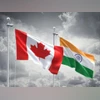 "Diplomatic tensions between India, Canada have implications on Sikhs: NAPA")
WebinarsNew
Deep DiveNew
Explore Business Standard
This incident has intensified existing insecurities and divisions within the community
The recent diplomatic tensions between India and Canada, particularly surrounding the killing of Hardeep Singh Nijjar, have had profound implications for the Sikh diaspora, the North American Punjabi Association (NAPA) said on Friday.
This incident has intensified existing insecurities and divisions within the community, affecting how Sikh immigrant families navigate their identities, political beliefs, and social interactions, said Satnam Singh Chahal, NAPA's Executive Director.
Earlier this week, India expelled six Canadian diplomats and withdrew its High Commissioner in Canada, Sanjay Kumar Verma after dismissing Ottawa's allegations linking the envoy to a probe into the killing of Nijjar.
Nijjar was gunned down in Surrey, British Columbia, in June last year.
Chahal said the Nijjar incident has exacerbated pre-existing divides within the Sikh diaspora.
Some community members view the Canadian government's stance as a legitimate defense of human rights, while others see it as an affront to India's sovereignty, he said.
This polarisation can create rifts in families and social circles, leading to heated discussions and estrangement, he said.
He further said that the involvement of intelligence agencies and accusations of political violence have instilled fear among many Sikhs, particularly those who are vocal about their political beliefs.
Ordinary families may worry about being targeted for their views, leading to a chilling effect on free expression within the community, Chahal said.
Regarding community relations, he said Sikh families may navigate complex relationships with non-Sikh neighbours and friends.
Misunderstandings about the community's political affiliations can lead to stigmatisation or social isolation, especially if there are perceptions that they support militant factions, he said.
Chahal said many Sikhs are grappling with their dual identity as both Canadians and members of a historically marginalised group.
This struggle is compounded by external pressures and negative stereotypes that can arise from incidents like Nijjar's killing, which may overshadow their contributions to Canadian society, he said.
He further said that within the diaspora, there can be significant pressure to take sides in the political narrative.
Activists may push for solidarity with Nijjar's cause, while others may urge caution to maintain good relations with India, particularly for those with family ties back home, he said.
(Only the headline and picture of this report may have been reworked by the Business Standard staff; the rest of the content is auto-generated from a syndicated feed.)
First Published: Oct 18 2024 | 1:04 PM IST


 Connect with us on WhatsApp