Home / Finance / News / Monetary policy: Review of liquidity ratio framework for banks on the cards
Monetary policy: Review of liquidity ratio framework for banks on the cards
Securities that are eligible for the statutory liquidity ratio like central and state government bonds are reckoned as HQLA for the purpose of calculating LCR. Banks have to maintain 100 per cent LCR
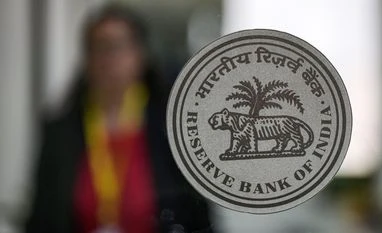
Mumbai: Logo of Reserve Bank of India (RBI) put up at its headquarters, in Mumbai, Friday, April 5, 2024. (PTI: Photo/Shashank Parade)
Viewing the sudden withdrawal of deposits through digital banking channels, the Reserve Bank of India (RBI) has decided to review the liquidity ratio framework for banks and issue a draft circular shortly for public comments.
Banks covered under the Liquidity Coverage Ratio (LCR) framework must maintain a stock of high-quality liquid assets (HQLA) to cover the expected net cash outflows in the next 30 calendar days. Securities eligible for statutory liquidity ratios, like central and state government bonds, are reckoned as HQLA to calculate LCR. Banks have to maintain 100 per cent LCR.
“…the recent episodes in some jurisdictions have demonstrated the increased ability of the depositors to withdraw or transfer deposits during times of stress, using digital banking channels. Such emerging risks may require revisiting certain assumptions under the LCR framework,” the RBI said. It added that certain modifications to the LCR framework are being proposed to facilitate better management of liquidity risk by the banks.
“The review of the LCR framework with 24/7 payment systems could act as a positive enabler to address frictional liquidity mismatches,” State Bank of India chairman Dinesh Khara said.
According to Zarin Daruwala, CEO, India & South Asia, Standard Chartered Bank, the review of the LCR framework will better capture liquidity risks arising from a wider adoption of digital transaction channels and strengthen the banking system.

 "Monetary policy: Review of liquidity ratio framework for banks on the cards")


 Connect with us on WhatsApp