All the world's a stage: Here's how theatre can help you leave a mark on it

Theatre training can be a fulfilling experience, even for corporate trainers. Here's the lowdown on what theatre can do for you, and how to pursue it
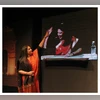
ACE productions, theatres
Training for theatre requires multiple skills, from voice modulation to movement to script analysis and emotional depth.
Namrata Kohli New Delhi
5 min read Last Updated : Feb 13 2025 | 3:07 PM IST
In an increasingly screen-driven world, theatre fosters human connection, providing a shared space for collective experiences and emotional exchange. It nurtures creativity, communication, teamwork, and emotional intelligence in youth, crucial for navigating today’s world.  
 
“Exposure to theatre is important for everyone, as it can promote social empathy and awareness, while at the same time providing intellectual stimulation or just entertainment,” says Sunit Tandon a theatre actor and producer, president of the Delhi Music Society, and director of the India Habitat Centre (IHC) who frequently organises theatre festivals at IHC. 
 
“Theatre is more than a career, it is a calling,” says Raëll Padamsee, Indian theatre personality and the managing director and chief executive officer of ACE productions. For Padamsee, who was born into a theatre family, with the famed Pearl and Alyque Padamsee for parents, the stage has always been her second home. “Theatre is an art form that demands discipline, passion, and an unquenchable thirst for learning,” she says. "It challenges, inspires, and transforms, it is not just about learning a skill — it’s about discovering oneself." 
 
Theatre, she says, is not just a profession; it is a way of life. “For those aspiring to enter this world, my advice is simple: commit wholeheartedly, train rigorously, and above all, let your voice be heard — both on stage and beyond,” she notes.  
 
Many famous film actors have honed their craft through theatre training, among them the redoubtable Meryl Streep, Sir Ian McKellen, Dame Judi Dench, Patrick Stewart, and Cate Blanchett. Closer home, many of India’s biggest film names started in theatre: Shahrukh Khan, Naseeruddin Shah, Anupam Kher, Manoj Bajpayee, Nawazuddin Siddique, Om Puri, Girish Karnad, and many more. 
 
Theatre Training 
 
Training for theatre requires multiple skills, from voice modulation to movement to script analysis and emotional depth. “Theatre needs to have some training in movement, as opposed to dance which is a more structured and codified style of movement,” says Chittaranjan Tripathy, director of the National School of Drama. "When we say movement, we refer to the body language, gestures, that's also Angikam Vachikam. Angika means your body, your physical movements. Vachika means singing, Aaharya means costume and makeup, while Sattvik means inner emotion. Theatre offers us the highest grade of understanding.” 
 
Padamsee adds that the most crucial aspects of theatre training are character analysis and shedding inhibitions. “By letting go of self-consciousness, performers unlock their full potential, making their performances more authentic and impactful," she says. “Character analysis of a role deepens performance, enhances emotional connection, and refines physical and vocal expression and boosts confidence. By understanding a character’s motivations and relationships, actors create authentic portrayals, adapt to changes, and develop empathy.” 
 
Voice training and script analysis are also a key part of theatre training. A well-trained voice can convey emotion, command attention, and transport audiences into the very heart of a performance. A whisper can be as powerful as a shout if delivered with the right emotion. Understanding a script allows an actor to truly embody their character, grasping not just the words but the subtext, motivations, and emotions behind every line. This, in turn, helps in delivering performances that feel authentic and are impactful. 
 
How does one build one's emotional range? Tapping into authentic emotions is a significant part of one's work as an actor. “Deep empathy for people in different walks of life and in different circumstances and conditions, keen observation of life around you and regularly engaging with acting under different directors and in different production styles: all these are important in honing one’s emotional range and cultivating one’s body language and physical expression,” says Tandon.  
 
Career Avenues in Theatre and Acting 
 
 Trained actors have diverse career paths, including theatre, film, television, advertising, web series, voice acting, corporate training, and teaching. With digital media and streaming platforms, opportunities have expanded. Many actors supplement their income through voice-over work and teaching drama. 
 
While theatre may not be as lucrative as mainstream cinema, it offers deep artistic fulfilment. Stage experience builds discipline, confidence, and character insight, benefiting actors across entertainment industries. 
 
Every child is a born actor, says Mumbai based Praveen Nagda, founder and festival director of KidzCINEMA, “Kids grow up copying and mimicking their surroundings even when speaking their first word. Acting is all about a great observation, which the children have at their peak when they are younger. Young children are often seen engaged in role-playing, which demonstrates their ability to act. So, I would say that every child has the potential to become an actor. By the age of two to three years, children start recalling and repeating lines or actions. If you find good cognitive flexibility and creativity in the child, who also instinctively mimics adults, and picks up songs and dances from radio, TV, or cinema, you can set them on proper training in theatre groups working around their age group.” 
 
The cost of acting and theatre courses in India varies widely based on the institution's reputation, course duration, and location. Short-term workshops may range from Rs 5,000 to Rs 20,000, while comprehensive diploma or degree programs can range from Rs 50,000 to Rs 5,00,000 or more. Some of the renowned theatre schools include National School of Drama (NSD), New Delhi which offers a full-time three-year diploma in Dramatic Arts. Film and Television Institute of India (FTII), Pune, offers a two-year post-graduate diploma in acting. Barry John Acting Studio, Mumbai, also offers a diploma in film acting (16-week or 24-week intensive programme). 

One subscription. Two world-class reads.

Already subscribed? Log in

Subscribe to read the full story →
*Subscribe to Business Standard digital and get complimentary access to The New York Times

Smart Quarterly

₹900

3 Months

₹300/Month

SAVE 25%

Smart Essential

₹2,700

1 Year

₹225/Month

SAVE 46%
*Complimentary New York Times access for the 2nd year will be given after 12 months

Super Saver

₹3,900

2 Years

₹162/Month

Subscribe

Renews automatically, cancel anytime

Here’s what’s included in our digital subscription plans

Exclusive premium stories online

  • Over 30 premium stories daily, handpicked by our editors

Complimentary Access to The New York Times

  • News, Games, Cooking, Audio, Wirecutter & The Athletic

Business Standard Epaper

  • Digital replica of our daily newspaper — with options to read, save, and share

Curated Newsletters

  • Insights on markets, finance, politics, tech, and more delivered to your inbox

Market Analysis & Investment Insights

  • In-depth market analysis & insights with access to The Smart Investor

Archives

  • Repository of articles and publications dating back to 1997

Ad-free Reading

  • Uninterrupted reading experience with no advertisements

Seamless Access Across All Devices

  • Access Business Standard across devices — mobile, tablet, or PC, via web or app

Topics :theatrestheatreEntertainmentPersonal Finance

Next Story


