As India’s wedding engine revs up for 2025, bridal couture is undergoing another dramatic shift. From micro-luxury intimate weddings to destination celebrations with global flair, designers and fashion houses are recalibrating for brides who demand both legacy and personal expression. The emphasis is on comfort, personality and sustainability rather than spectacle.
According to industry estimates, the average Indian wedding spend in metro cities now ranges between Rs 50 lakh and Rs 5 crore, with the bridal trousseau accounting for 8–10 per cent of that budget. Designer lehengas occupy the upper crust — anywhere between Rs 1 lakh and Rs 10 lakh. Bespoke jewellery still dominates the spend, followed by décor and photography, while fashion-forward brides are also investing in heritage dupattas, handloom saris, and curated occasion-wear wardrobes for pre- and post-wedding functions.
Dress for Yourself, Not the Drama
Veteran designer Ravi Bajaj believes the 2025 bride is finally freeing herself from centuries of expectation. “I would like to see brides dress for themselves, not for a costume drama,” he says. “The key to dressing up is to feel elevated — not bogged down by the weight of the lehenga, literally and figuratively speaking.”
Bajaj, who has dressed India’s elites for over three decades, says the shift toward ease is unmistakable. “Couples getting married today are looking for practical alternatives. They’re willing to experiment with silhouette, colour and embroidery. Wedding clothes are getting less OTT,” he says.
Curated for colour
Colour cues reflect that lighter mood. “Gold is huge — in fact, a lot of metallics accented with pastels,” Bajaj explains. “Even though some brides still stick with the traditional red-pink-gold vibe, they are doing it with restraint.”
The look is coordinated, curated and camera-ready. “Grooms are matching their outfits with the brides. It’s all about creating Instagram-able pictures — though it’s often more about how you appear online than how you actually feel in the outfit,” Bajaj observes with a laugh.
According to WeddingWire India’s 2025 trend report, brides are rewriting the colour code — even black, once considered inauspicious, is finding its way into pre-wedding wardrobes. The “black lehenga” has emerged as a cocktail-night favourite, reflecting the growing appetite for bold, couture-inspired partywear.
The big trend, though, is the idea of "investment wear". Instead of a trousseau that can only be worn once in a lifetime, brides are building wardrobes with reusable separates — jackets, lighter lehengas, and sarees that can transition from wedding to festive occasions. “The modern bride wants clothes that work beyond her wedding day,” he says.
Tradition, but with a twist
For Leena Singh of the Ashima-Leena label, modernity need not mean just minimalism, it can also mean reinvention. “We’ve been rooted in craftsmanship for 35 years — creating heirloom pieces with intricate embroideries, rich textiles and timeless designs,” she says. “But the modern bride wants balance. She likes her blouse to be a corset or halter neck, or even off-shoulder. We introduced the textile corset — it looks contemporary yet remains true to craft.”
The silhouettes have evolved, too. “We make beautiful dupattas with borders and embroidery, but we also like to do veil-style dupattas — transparent veils with light touches of embroidery. Although she’s a traditional bride, she looks very modern,” Singh says.
Her idea of a perfect trousseau is a blend of timeless textiles and thoughtful design. “Every bride should have Banarasi sarees and brocade jackets — they’re beautiful heirlooms. Anarkalis are forever... only now they come with a twist. And textile trousers are in in a big way — something a bride can wear for decades and pass on.”
Nonetheless, Singh is candid about what worries her: the diminishing respect for handwork. “Honestly speaking, today’s brides don’t value craftsmanship the way they used to,” she says. “They’re more swayed by labels and trends. They see couture as a one-time wear. It’s sad because every handcrafted piece involves months of work and countless skilled hands.”
She recalls brides who insist on wearing a grandmother’s saree or reusing a vintage dupatta — a small but meaningful rebellion against fast fashion. “That emotion keeps Indian craft alive,” Singh adds. "... But most brides today don’t know or care where their embroidery comes from — and that needs to change.”
Rahul Mishra, India’s global couture star, agrees. “True luxury is timeless,” he says. “It’s something you can pass on — not something you discard.”
The Art of Couture
For Mishra, the conversation also moves beyond clothes into philosophy. “A designer comes up with an idea that’s new. Buying from a designer is like buying a painting from Raza or Hussain — it’s original,” he says, encouraging brides to approach couture as an investment — a piece of living art.
“Invest in something unique yet classic — something that lasts a really long time,” he says. He shares recent examples: “I created a lehenga for a Dutch bride marrying an Indian groom and a gown for a Japanese bride — both got their dresses framed. They knew what they were investing in would gain value over time, much like land that appreciates 20-25 percent every year. What I make today, ten years later, I won’t be able to reproduce at the same cost.”
For Mishra, pricing is not just commerce — it’s preservation. “Each garment sustains hundreds of livelihoods. When you pay for couture, you pay for skill, imagination and the ecosystem that makes beauty possible.”
From Opulence to Individuality
Across India’s bridal ateliers, designers are unanimous that the bride of 2025 is changing. She wants her clothes to reflect who she is, not what society expects. The pandemic years, smaller weddings, and global exposure have played their part in changing tastes.
“Earlier, weddings were about impressing others,” says Bajaj. “Now, it’s about expressing yourself. The Indian bride today is not looking for opulence alone. She’s looking for an identity.”
That expression translates into practical details: detachable can-can skirts, lighter dupattas, multi-use jackets, and modular trousseaus that travel easily to destination weddings. Even menswear is evolving — sherwanis with minimal embroidery, pastel bandhgalas and tone-on-tone threadwork replacing sequins and zari.
For Singh, the evolution also lies in sustainability. “When a bride reuses her grandmother’s saree or invests in handwoven textiles, she’s not just being emotional — she’s being ecological,” she says. “That’s the kind of luxury that will define the next decade.”
Sustainability is high on the jewellery front, too. Searches for lab-grown diamonds rose 174 per cent in 2024, as eco-conscious and budget-savvy couples embrace these ethically produced alternatives — a trend further supported by the government’s five-year research grant encouraging indigenous production.

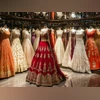 "Reimagining the trousseau: Tradition makes way for practicality, identity")










 Connect with us on WhatsApp