Home / Health / Only 60% nations have standards for food, beverages in schools: Unesco
Only 60% nations have standards for food, beverages in schools: Unesco
"Most school meal programmes have education goals, alongside nutrition, health and social protection objectives. However, fewer programmes focus on preventing or mitigating obesity," the report read
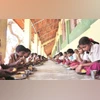
“Most school meal programmes have education goals, alongside nutrition, health and social protection objectives. However, fewer programmes focus on preventing or mitigating obesity,” it read. | Photo: TN government website
2 min read Last Updated : Apr 20 2025 | 4:44 PM IST
Unesco’s newly published Global Education Monitoring (GEM) Report reveals that only 60 per cent of countries have legislation and standards governing food and beverages in schools.
The report, which has been published in association with the Research Consortium for School Health and Nutrition led by the London School of Hygiene and Tropical Medicine, finds that only 93 out of 187 nations have compulsory standards, legislation or guidance on food and beverages in schools. It further reveals that only 29 per cent of these have measures restricting food and beverage marketing in schools.
Issues faced by the schools
“In only three of 28 countries were assessments regularly conducted and used. The assessment information included changes in attitudes and perceptions about food and nutrition, knowledge, food practice, nutritional status, habits and diets,” according to the report.
“Most school meal programmes have education goals, alongside nutrition, health and social protection objectives. However, fewer programmes focus on preventing or mitigating obesity,” it read.
In another survey, the report found that 72 per cent of nations reported some limitations on food marketing on school grounds and 52 per cent had national-level prohibitions on foods permitted on or near school grounds.
The report further read, “There was a lack of emphasis on reducing consumption of unhealthy food or drinks. There was an emphasis on individual responsibility instead of the food environment and on regulatory and legislative reforms.”
Recommendations of the report
The GEM Report listed multiple suggestions to address the issues it found in its survey.
“There is a need to build capacity at all levels through education and training across a range of sectors, including health, nutrition, agriculture and food systems. Despite clear interdependencies, the linkages between education and nutrition remain under-researched, including in data collection and monitoring of programmes and outcomes,” the report said.


 "Only 60% nations have standards for food, beverages in schools: Unesco")

