Patent loss led to rise in prescriptions of new generation diabetes drugs

Experts say 85% price drop in empagliflozin expected to boost SGLT2 usage; SGLT-2 class of drugs account for 25-30% of all diabetes prescriptions
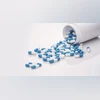
pharma, drugs, medicine
According to market research firm Pharmarack Technologies, sales of empagliflozin plain and combination formulations jumped 55 per cent, rising from about 12.3 million units in February 2025 to 19.1 million in March.
Sanket Koul New Delhi
4 min read Last Updated : Apr 24 2025 | 11:39 PM IST
The ₹20,700 crore anti-diabetic drug market in India is undergoing a churn. The entry of branded generics following patent expiries for key molecules — and the resulting price drops — is expected to bring relief to patients. This, in turn, is expanding the prescriber base for these new-generation drugs.
 
Sample this: After Germany-based Boehringer Ingelheim’s blockbuster diabetes molecule, empagliflozin, lost patent protection, around 86 new brands from 19 companies were launched within a month.
 
According to market research firm Pharmarack Technologies, sales of empagliflozin plain and combination formulations jumped 55 per cent, rising from about 12.3 million units in February 2025 to 19.1 million in March.
 
As a result, prices for the plain drug have dropped roughly 85 per cent, with maximum retail prices falling from ₹60–70 per tablet to ₹5–15 within a month.
 
Empagliflozin, one of India’s most prescribed sodium-glucose transport protein 2 (SGLT2) inhibitors, currently has a moving annual turnover of around ₹748 crore. It was first launched in the Indian market in 2016 under the brand name Jardiance.
 
Highlighting the drug’s wide prescriber base, Basavaraj G S, senior consultant in endocrinology and diabetes at Narayana Health, said these drugs account for 25–30 per cent of prescriptions for Type 2 diabetes, owing to their benefits beyond glycaemic control.
 
Combinations of empagliflozin with linagliptin and metformin have seen similar price drops — ranging from 70 per cent to 80 per cent — following their patent expiry early last month, said Sheetal Sapale, vice-president, commercial, Pharmarack.
 
She said that the steep price decline is driven by a flood of branded generic launches in a short span, even though the market’s overall value fell month-on-month.
 
Companies such as Torrent Pharmaceuticals, Cipla, Mankind Pharma, Dr Reddy’s Laboratories, and Glenmark Pharmaceuticals have already launched empagliflozin generics. Torrent alone has 13 plain and combination brands in the market, Sapale added.
 
“With India’s high prevalence of Type 2 diabetes, the number of empagliflozin generics is expected to cross 100 in the coming months,” an industry insider said.
 
With this, empagliflozin joins a growing list of diabetes drugs — especially SGLT2 inhibitors — that have seen steep price corrections after going off patent in recent years.
 
SGLT2 inhibitors are oral medications that lower blood sugar in adults with Type 2 diabetes. They work by preventing glucose reabsorption in the kidneys, leading to increased sugar excretion through urine, and also provide cardiovascular and renal benefits.
 
The trend began with dapagliflozin, another blockbuster SGLT2 inhibitor, which lost patent protection in 2020. Since then, the number of its branded generics has risen from just four to over 200.
 
Other key diabetes drugs that have lost exclusivity in recent years include vildagliptin, linagliptin, remogliflozin, and canagliflozin — all of which saw prices fall to a third of their innovator brand rates.
 
Teneligliptin is another example — it saw a 55 per cent price drop within days of its patent expiry in 2016, followed by further declines as more players entered the market and triggered a price war.
 
While metformin remains the first-line treatment, newer therapies such as SGLT2 inhibitors are becoming increasingly common in the management of Type 2 diabetes, thanks to their multifaceted benefits beyond blood sugar control.
 
With over 100 million diabetics in India and rising demand for anti-diabetic drugs, the ongoing price drops are expected to make these treatments more affordable and accessible to a broader patient base.
 
Narander Singla, lead consultant in internal medicine at CK Birla Hospital, Delhi, noted that these drugs’ ability to lower blood glucose, reduce weight, manage blood pressure, and offer cardiovascular and renal protection has made them a preferred choice, especially when traditional therapies fall short.
 
“However, the focus must remain on the quality, efficacy, and safety of these generic alternatives to ensure patients continue to receive optimal care,” Basavaraj added. 
 

One subscription. Two world-class reads.

Already subscribed? Log in

Subscribe to read the full story →
*Subscribe to Business Standard digital and get complimentary access to The New York Times

Smart Quarterly

₹900

3 Months

₹300/Month

SAVE 25%

Smart Essential

₹2,700

1 Year

₹225/Month

SAVE 46%
*Complimentary New York Times access for the 2nd year will be given after 12 months

Super Saver

₹3,900

2 Years

₹162/Month

Subscribe

Renews automatically, cancel anytime

Here’s what’s included in our digital subscription plans

Exclusive premium stories online

  • Over 30 premium stories daily, handpicked by our editors

Complimentary Access to The New York Times

  • News, Games, Cooking, Audio, Wirecutter & The Athletic

Business Standard Epaper

  • Digital replica of our daily newspaper — with options to read, save, and share

Curated Newsletters

  • Insights on markets, finance, politics, tech, and more delivered to your inbox

Market Analysis & Investment Insights

  • In-depth market analysis & insights with access to The Smart Investor

Archives

  • Repository of articles and publications dating back to 1997

Ad-free Reading

  • Uninterrupted reading experience with no advertisements

Seamless Access Across All Devices

  • Access Business Standard across devices — mobile, tablet, or PC, via web or app

Topics :Diabetesdrugsdrug marketHealth with BS

Next Story



