Home / Health / Rabies fear in UP: Can milk from infected animal transmit the deadly virus?
Rabies fear in UP: Can milk from infected animal transmit the deadly virus?
A suspected rabies case in a buffalo sent panic through a UP village, with hundreds rushing for vaccines after learning funeral raita was made from its milk. But was the fear justified?
Panic spread among villagers after fears of possible rabies exposure from a funeral meal prepared using milk of a buffalo that died of suspected infection.
Nearly 200 residents of a Pipraul village in Uttar Pradesh’s Budaun district sought anti-rabies vaccination after learning that raita served at a funeral was made from milk of a buffalo that later died of suspected rabies after a stray dog bite. Doctors, however, say the fear may have been misplaced.
What triggered the rabies scare in the UP village?
A funeral (tehrai) ceremony was held on December 23, where raita was served. A few days later, the buffalo whose milk had been used reportedly fell ill and died. Villagers said the animal had earlier been bitten by a stray dog.
As the news spread, fear of possible rabies exposure took hold. Over 200 residents, reportedly, approached the Ujhani Community Health Centre and were administered anti-rabies vaccines as a precaution.
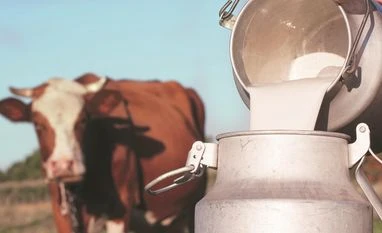
Can rabies spread through milk or milk-based foods like raita?
Rabies is not spread through milk from a suspected rabid animal or even from a confirmed case of rabies. It is transmitted almost only through the saliva of an infected animal entering the body via bites, scratches, or open wounds.
Dr Tushar Tayal, associate director, Internal Medicine, CK Birla Hospital, Gurugram, explains why the risk from milk is negligible.
“Rabies virus is primarily present in the brain and salivary glands. The chances of its presence in mammary glands, which produce milk, are extremely low,” he says.
Even in the unlikely scenario where trace amounts of virus were present, boiling or pasteurisation of milk would neutralise it.
“Any virus, if present in milk, would get completely deactivated with boiling or pasteurisation. There is nothing to worry if someone has consumed milk or milk products from an animal with suspected rabies,” Dr Tayal adds.
“There are no documented human rabies cases globally that have been linked to ingestion,” Dr Tayal confirms.
Why were so many people given anti-rabies vaccines?
According to news reports, local health officials said vaccination was given as a precaution to address anxiety and doubts among villagers.
However, as Dr Tayal explains, from a strictly medical standpoint, vaccines were not necessary in this case.
That said, milk consumption isn’t a risk, but handling a potentially rabid animal is.
“If there is a confirmed rabid animal, people should avoid touching or handling it, because saliva secretions can transmit infection through cuts or broken skin,” Dr Tayal cautions.


 "Rabies fear in UP: Can milk from infected animal transmit the deadly virus?")


