Home / Health / WHO issues first global clinical guide on mosquito-borne diseases: Details
WHO issues first global clinical guide on mosquito-borne diseases: Details
The new WHO guidelines offer evidence-based protocols for managing dengue, chikungunya, Zika and yellow fever, aiming to improve diagnosis, care and epidemic preparedness worldwide
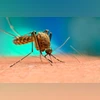
According to WHO, arboviral diseases are most commonly transmitted by Aedes mosquitoes. (Photo: Shutterstock)
3 min read Last Updated : Jul 13 2025 | 12:48 PM IST
The World Health Organization (WHO) has released its first-ever integrated guidelines on the clinical management of arboviral diseases, including dengue, chikungunya, Zika, and yellow fever in a major step towards strengthening global response to mosquito-borne viral diseases.
The new guidelines, launched earlier this month, aim to help frontline healthcare providers and hospitals manage both mild and severe cases of these diseases using standardised, evidence-based protocols. With arboviral infections posing a growing threat across tropical and subtropical regions, the WHO said the guidelines would also support policymakers and health administrators in boosting epidemic and pandemic preparedness.
What are arboviral diseases?
According to WHO, arboviral diseases are most commonly transmitted by Aedes mosquitoes. These include dengue, chikungunya, Zika, and yellow fever. The Aedes aegypti mosquito is capable of spreading multiple viruses in the same region, often at the same time.
These infections affect more than half of the global population, with over 5.6 billion people currently at risk. The diseases often begin with flu-like symptoms such as fever, joint pain, and rash, making clinical diagnosis difficult in the absence of laboratory tests. In some cases, complications can be severe or life-threatening.
Why WHO's integrated guidelines on arboviral diseases are needed
According to WHO, outbreaks of arboviral diseases are becoming more frequent, widespread, and severe, driven by a combination of ecological, social, and economic factors. As a result, the geographical range of these infections is expanding rapidly.
The clinical challenge is compounded by the fact that dengue, chikungunya, Zika, and yellow fever often begin with similar early symptoms making it difficult to distinguish between them, especially in regions where diagnostic tools are limited. In some areas, multiple arboviruses may be circulating at the same time.
In this context, the WHO guidelines offer a unified, evidence-based approach to diagnosis and care. They are also intended as a practical reference for policymakers, health system leaders, and hospital administrators in developing national and regional preparedness strategies for future outbreaks and pandemics.
According to WHO, the new guidelines offer clinical management protocols for four of the most common and widespread arboviral infections in humans: dengue, chikungunya, Zika, and yellow fever.
For patients with non-severe, suspected or confirmed arboviral disease:
Use protocolised oral fluid treatment to prevent dehydration
Use paracetamol or metamizole for treating pain or fever
Avoid non-steroidal anti-inflammatory medications (NSAIDs), irrespective of severity
For patients with severe (hospitalised), suspected or confirmed arboviral disease:
Use crystalloid fluids (not colloids) for intravenous hydration
Monitor capillary refill time and lactate levels to guide fluid management
Use passive leg raise test in patients with shock to assess fluid responsiveness
Avoid corticosteroids and immunoglobulin therapies in severe cases
Avoid platelet transfusion in patients with low platelet counts unless active bleeding is present
Use intravenous N-acetylcysteine in cases of liver failure caused by yellow fever
Use experimental therapies like monoclonal immunoglobulin TY014 and sofosbuvir for yellow fever only in research settings
The WHO noted that the recommendations are based on the latest available evidence and will be updated as new data emerges. These guidelines are seen as a critical step in harmonising care and improving outcomes in regions where arboviral diseases are endemic or emerging.


 "WHO issues first global clinical guide on mosquito-borne diseases: Details")

