Home / Immigration / No green card for those relying on US support: What the new rule could mean
No green card for those relying on US support: What the new rule could mean
No Green Crad Visa: The US govt is set to publish a proposal on Wednesday that lowers the standard for deciding whether green-card applicants may rely on government support
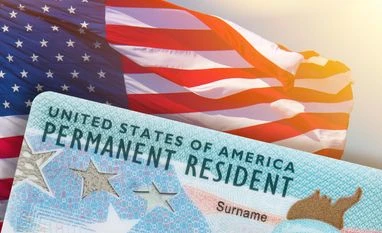
Major Green Card change proposed: Photo: Shutterstock
The Donald Trump administration is preparing changes to an immigration rule that could block lawful immigrants from securing a green card if officials believe they may rely on government support. The Department of Homeland Security has drafted a proposal to expand the public charge rule, in place since December 2022, by lowering the threshold for deciding whether someone might become dependent on the state.
The rule, titled “Public Charge Ground of Inadmissibility,” is set for publication in the Federal Register today (November 19, 2025), and will remain open for public comments for 30 days. According to documents seen by Business Standard, the filing was submitted on November 17, 2025.
What is public charge?
Public charge refers to factors used to assess whether an immigrant may become dependent on the government. It is one of the grounds of inadmissibility under US immigration law. The Immigration and Nationality Act does not define the term directly but requires immigration officials to look at a mix of factors to decide whether a foreign national is likely to become reliant on public resources.
At present, officers consider age, health, family situation, assets and resources, financial circumstances, education, skills and any factors covered by existing regulations. These currently include the use of certain public benefits and, in some cases, a Form I-864 Affidavit of Support.
If the definition is broadened, more applicants could be found ineligible for a green card. Under the proposal, DHS officers would weigh the “totality of the circumstances” with fewer set guardrails. This may include looking at family health history, economic background and any indications of reliance on government benefits. The administration argues that access to public benefits should not serve as an incentive for immigration.
The proposal would give greater discretion to Citizenship and Immigration Services officers to decide whether an applicant could become a public charge.
How could the rule affect green-card visa applicants?
Here is what the proposed rule could mean for people seeking permanent residence:
• The proposal rolls back several parts of the 2022 regulation, which restricted the definition of a public charge to those likely to become primarily dependent on cash assistance or long-term institutional care.
• The threshold would shift. Officers may examine whether an applicant depends on public resources to meet basic needs, rather than being primarily dependent. Immigration law firm Fragomen explained that this lowers the bar for what counts as negative evidence.
• More types of benefits could be considered. Programmes linked to nutrition, housing or health care, which were previously not counted, may now be taken into account.
• The “totality of circumstances” test would carry broader discretion, meaning a wider set of factors, including use, application for or approval of public benefits, could count against an applicant.
What about current green-card holders?
For existing permanent residents, the changes are more limited. The public charge test mainly applies to people seeking admission or adjustment of status rather than those renewing a green card or applying for naturalisation. The Los Angeles County Office notes: “Persons applying for a visa or seeking admission … and persons in the US seeking to adjust to lawful permanent resident status … may be subject to a public charge test,” said the office in its guidance.
While the rule does not directly apply to green-card renewals, there may still be indirect effects. If a person’s financial situation, family support or benefit-use history raises concerns, it could influence future travel, sponsorship cases or any immigration process involving dependants.

 "No green card for those relying on US support: What the new rule could mean")

