The United States Citizenship and Immigration Services (USCIS) has introduced a new immigration parole fee of $1,000 (about Rs 88,000), which must now be paid by certain migrants seeking temporary permission to enter or remain in the country.
Parole allows individuals to stay in the US without a visa or formal admission, usually on humanitarian or public interest grounds. It does not grant immigration status but offers short-term legal entry in exceptional situations.
What the new US parole fee covers
From October 16, 2025, the new $1,000 fee will apply to all migrants granted parole under Section 212(d)(5)(A) of the Immigration and Nationality Act. This includes:
• Initial parole approvals
• Re-parole (extensions of existing permission)
• Parole in place (for those already in the US)
• Parole from DHS custody
The fee, introduced under the One Big Beautiful Bill, will be collected in addition to any existing USCIS filing or biometric charges. It will not replace other application costs.
USCIS said applicants should not pay the fee upfront when filing Form I-131. Instead, the agency will notify applicants if their parole request qualifies and payment is required.
“USCIS will collect the immigration parole fee if you are physically present in the United States and we are granting you parole or a new period of parole,” the agency said. “We will not grant parole unless you pay the immigration parole fee as instructed and within the specified time period.”
The fee will be collected by three Department of Homeland Security (DHS) agencies responsible for parole:
• US Citizenship and Immigration Services (USCIS)
• US Customs and Border Protection (CBP)
• US Immigration and Customs Enforcement (ICE)
Who will have to pay
< New entrants granted parole to enter the US temporarily for humanitarian or public interest reasons. For instance, a person from a conflict zone allowed to enter the US temporarily for safety while their asylum claim is pending.
< Individuals applying for re-parole, meaning they were already on parole and are seeking to extend it. For instance, a migrant previously granted parole for one year who now applies to renew it.
< Those approved for parole in place within the US (such as certain undocumented family members of US military personnel) like noncitizen spouse of a US service member applying for parole in place to remain lawfully.
< Individuals released from DHS custody under parole.
Who is exempt from paying the fee
Certain groups and cases will not be required to pay the new charge. These include:
• People already in the US who are not being newly paroled in. For instance, someone who entered legally on a visa like the H-1B or F-1 visa and is applying for an immigration benefit, not parole.
• Witnesses or informants assisting in investigations or court proceedings.
• Emergency medical or life-saving cases: A person granted parole for urgent medical evacuation after an accident or to escape immediate danger.
USCIS said waivers would be rare and reserved for emergency cases such as medical evacuations or protection from imminent harm.
What applicants should know
• The $1,000 fee applies only after USCIS determines eligibility
• Payment must be made exactly as instructed in the notice
• Failure to pay within the deadline will result in denial of parole
• Applicants should wait for the USCIS notification before paying
This marks the first time the US government has imposed a standalone fee for parole under a unified framework across all DHS components.

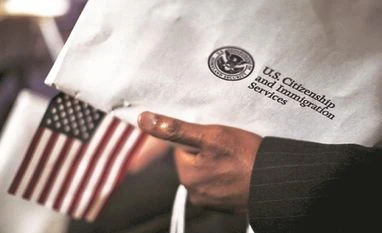 "US introduces $1,000 immigration parole fee: Who must pay from October 2025")


 Connect with us on WhatsApp