Here's why some people suffered heart inflammation post Covid vaccine
Heart inflammation post Covid vaccination was not caused by antibodies created by jab, rather it was the result of a more generalised response involving immune cells and inflammation, finds a study
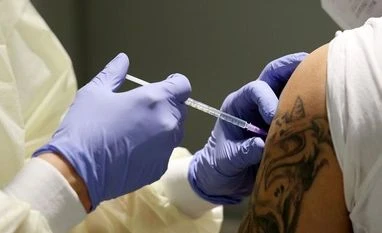
IANS New York Heart inflammation post Covid vaccination was not caused by antibodies created by the jab, rather it was the result of a more generalised response involving immune cells and inflammation, finds a study.
Myocarditis is a generally mild inflammation of heart tissue which can cause scarring but is usually resolved within days.
The increased incidence of myocarditis was seen primarily in males, who had been vaccinated with mRNA vaccines -- designed to elicit immune responses specifically to the SARS-CoV-2 virus.
According to the US Centers for Disease Control and Prevention (CDC), among males aged 12 to 17, about 22 to 36 per 100,000 experienced myocarditis within 21 days after receiving a second vaccine dose.
For the study, scientists at Yale University conducted a detailed analysis of immune system responses in those rare cases of myocarditis among vaccinated individuals.
They identified the immune signature of these heart inflammation cases.
"The immune systems of these individuals get a little too revved up and over-produce cytokine and cellular responses," said Carrie Lucas, associate professor of immunobiology, at Yale.
The findings, published in the journal Science Immunology, rule out some of the theorised causes of the heart inflammation and suggest potential ways to further reduce the incidence of a still rare side effect of vaccination, the authors say.
Earlier research had suggested that increasing the time between vaccination shots from four to eight weeks may reduce risk of developing myocarditis.
Lucas noted that, according to CDC findings, the risk of myocarditis is significantly greater in unvaccinated individuals who contract the Covid-19 virus than in those who receive vaccines. She emphasised that vaccination offers the best protection from Covid-19-related disease.
"I hope this new knowledge will enable further optimising mRNA vaccines, which, in addition to offering clear health benefits during the pandemic, have a tremendous potential to save lives across numerous future applications," said Anis Barmada, doctoral student at Yale School of Medicine.
(Only the headline and picture of this report may have been reworked by the Business Standard staff; the rest of the content is auto-generated from a syndicated feed.)

 "Here's why some people suffered heart inflammation post Covid vaccine")


 Connect with us on WhatsApp