
People can send Rs 2,000 notes by post to RBI offices for direct credit
This is a hassle-free option for the people who are away from the regional offices of the Reserve Bank
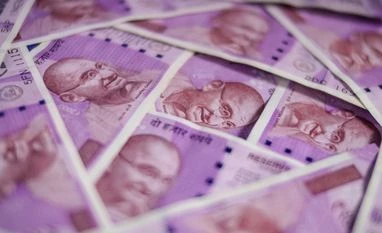 "People can send Rs 2,000 notes by post to RBI offices for direct credit")
WebinarsNew
Deep DiveNew
Explore Business Standard
This is a hassle-free option for the people who are away from the regional offices of the Reserve Bank
People can send their Rs 2,000 banknotes to specified regional offices of the Reserve Bank through the insured post for credit in their bank accounts.
This is a hassle-free option for the people who are away from the regional offices of the Reserve Bank.
Besides, the RBI is offering TLR (Triple Lock Receptacle) form to people for a deposit of Rs 2,000 banknotes in their bank account.
"We encourage customers to send Rs 2,000 notes through the insured post to the RBI for direct credit in their account in the most seamless and secure manner. This (will) save them from the hassle of travelling to specified branches and standing in queue," RBI Regional Director Rohit P Das said.
Both the options of TLR and insured post are highly secured, and there should not be any fear in the mind of the public relating to these options, he said, adding that about 700 TLR forms have been received so far by the Delhi office alone.
The RBI, in its communications, has been reiterating these two options, apart from the exchange facility at its offices, he added.
On May 19, the RBI announced the withdrawal of Rs 2,000 denomination bank notes from circulation. More than 97 per cent of the Rs 2,000 banknotes in circulation as of May 19, 2023, have since been returned.
Giving details of arrangements made to manage exchange, Das said the regional office in Delhi has made special arrangements for senior citizens and 'divyangjan' by providing a separate queue for them.
There is a separate queue for those coming with less number of such currency notes, such as 2-3, for faster disposal, he noted.
A drinking water facility and covered waiting area have been created so that there is no inconvenience to members of the public, he said, reiterating that Rs 2,000 notes continue to be a legal tender.
Das appreciated that Delhi Police is helping in crowd management and ensuring that no undesirable incident takes place in the vicinity of the RBI regional office.
Public and entities holding such notes were initially asked to either exchange or deposit them in bank accounts by September 30. The deadline was extended to October 7. Both -- deposit and exchange -- services at bank branches were discontinued on October 7.
Starting October 8, individuals have been provided with the choice of either exchanging the currency or having the equivalent sum credited to their bank accounts at 19 offices of the RBI.
The 19 RBI offices depositing/exchanging the bank notes are in Ahmedabad, Bangalore, Belapur, Bhopal, Bhubaneswar, Chandigarh, Chennai, Guwahati, Hyderabad, Jaipur, Jammu, Kanpur, Kolkata, Lucknow, Mumbai, Nagpur, New Delhi, Patna and Thiruvananthapuram.
The Rs 2,000 banknotes were introduced in November 2016, following the demonetisation of the then-prevailing Rs 1,000 and Rs 500 banknotes.
First Published: Nov 02 2023 | 2:17 PM IST


