Home / India News / Railways revises fares from Dec 26; 500-km non-AC journey to cost ₹10 more
Railways revises fares from Dec 26; 500-km non-AC journey to cost ₹10 more
The fare rationalisation leaves suburban trains, season tickets and short-distance ordinary travel untouched, while longer non-AC and AC journeys see marginal increases to offset rising costs
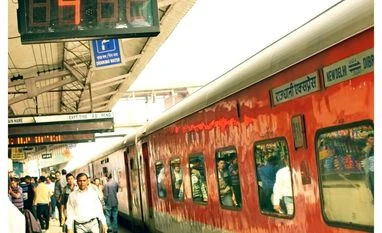
Indian Railways is expected to earn about ₹600 crore during the current year as a result of the fare rationalisation. (Photo: Shutterstock)
Indian Railways has rationalised its passenger fare structure with effect from December 26, 2025, keeping suburban travel and short-distance journeys insulated while introducing marginal increases for select long-distance categories.
Under the revised framework, there will be no increase in fares for suburban services and monthly season tickets. Ordinary class travel for distances of up to 215 kilometres will also remain unchanged.
Limited increase for longer journeys
For ordinary class travel beyond 215 kilometres, fares will increase by 1 paise per kilometre. Mail and express trains in non-AC categories will see an increase of 2 paise per kilometre, while AC class fares will also rise by 2 paise per kilometre.
Railways said the impact on passengers would be modest. For a 500-kilometre journey in non-AC coaches, passengers will have to pay only ₹10 extra.
Revenue impact and cost pressures
According to official estimates, Indian Railways is expected to earn about ₹600 crore during the current year as a result of the fare rationalisation.
The transporter said it has significantly expanded its network and operations over the past decade. To support higher operational levels and improve safety standards, it has increased manpower strength.
As a result, manpower costs have risen to ₹1.15 trillion, while pension expenses have increased to ₹600 billion. The total cost of operations has climbed to ₹2.63 trillion in 2024–25.
Focus on efficiency and safety
To meet higher manpower costs, Railways said it is focusing on higher cargo loading alongside a limited rationalisation of passenger fares.
It said sustained efforts towards safety and operational improvements have delivered results, with India now emerging as the world’s second-largest cargo-carrying railway network.
The successful mobilisation of more than 12,000 trains during the recent festival season was cited as an example of improved operational efficiency.
Railways said it will continue to focus on efficiency gains and cost containment while meeting its broader social obligations.

 "Railways revises fares from Dec 26; 500-km non-AC journey to cost ₹10 more")


