Home / India News / Wheat crop in India under threat from warm weather before harvest
Wheat crop in India under threat from warm weather before harvest
Rainfall across the country's northwest region, a major wheat growing belt, has been almost 80 per cent below normal since the beginning of the year, according to the India Meteorological Department
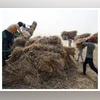
Plantings of wheat, which is used to make flat bread and biscuits, was 32.5 million hectares (80 million acres) as of Feb. 4, up 2 per cent from a year ago, farm ministry data show | Photo: Bloomberg
India is facing more warm weather and sparse rain this month, threatening the nation’s wheat crop and raising the prospect of the government cutting or removing an import duty on the grain.
Rainfall across the country’s northwest region, a major wheat growing belt, has been almost 80 per cent below normal since the beginning of the year, according to the India Meteorological Department. Last month, the world’s most-populous country recorded its third-warmest January since 1901.
“The forecast shows continued warmer and drier conditions for at least the next month, which will continue to reduce overall wheat yields in the region,” said Donald Keeney, a senior meteorologist at commercial forecaster Maxar Technologies Inc. “It’s certainly hurting the wheat crop.”
India is the world’s second-biggest wheat producer and a smaller harvest may undermine the government’s efforts to temper food prices, and possibly lead to a 40 per cent import duty being reduced or scrapped to make shipments attractive for flour millers. While last year’s output was a record, domestic stockpiles are near the lowest in 16 years, according to the US Department of Agriculture.
Plantings of wheat, which is used to make flat bread and biscuits, was 32.5 million hectares (80 million acres) as of Feb. 4, up 2 per cent from a year ago, farm ministry data show. The grain is sown from October to December, with harvesting starting in March.
“If warmer days persist, then yields may fall by more than 20%,” said Anil Kalyan, a wheat farmer in the northern state of Haryana. He added that normal temperatures in March would likely prevent any serious losses.

 "Wheat crop in India under threat from warm weather before harvest")


