2 min read Last Updated : Mar 28 2024 | 1:35 PM IST
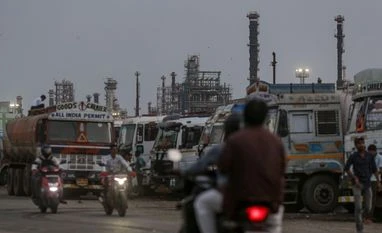
More than a fifth of global oil refining capacity is at risk of closure, energy consultancy Wood Mackenzie found in analysis published on Thursday, as gasoline margins weaken and the pressure to reduce carbon emissions mounts.
Of 465 refining assets analysed, the consultancy ranked about 21 per cent of 2023 global refining capacity at some risk of closure.
Europe and China house the greatest number of high-risk sites, putting about 3.9 million barrels per day (bpd) of refining capacity in jeopardy, Wood Mac found, based on its estimate of net cash margins, cost of carbon emissions, ownership, environmental investment and strategic value of refineries.
There are 11 European sites that account for 45 per cent of all high-risk plants, the report found.
About 30 European refineries have already shut down since 2009, data from industry body Concawe shows, with nearly 90 still in operation.
This spate of closures have been brought on by competition from newer and more complex plants in the Middle East and Asia as well as the impact of the Covid-19 pandemic.
Gasoline margins are expected to weaken by the end of this decade as demand declines and sanctions on Russia ease while expected carbon taxes should also start to bite, the Wood Mac analysis showed.
Operating costs could go up so much that "closure may be the only option", said Wood Mac senior oils and chemicals analyst Emma Fox.
Meanwhile, Nigeria's huge Dangote oil refinery could bring to an end decades-long gasoline trade from Europe to Africa worth $17 billion a year, heaping pressure on European refineries already at risk of closure from heightened competition.
The Dangote refinery, with capacity of up to 650,000 bpd, began production in January but was not included in Wood Mac's analysis.
The seven high-risk sites in China are small-scale independent refineries. Sometimes called 'teapots', these refineries are subject to more stringent government regulations and compete with larger integrated sites that are typically state-owned and more complex.

 "More than 20% of global oil refining capacity is at risk of closure")


