India VIX jumps 10% on tariff fears; no need to panic, says Deven Choksey
India VIX, the measure of market volatility in the domestic market, jumped as much as 10.36 per cent to 14.0, the biggest intraday jump since March 24 this year
Sai Aravindh Mumbai India's stock market fear gauge spiked 10 per cent on Tuesday, as traders gear up for the US reciprocal tariffs that are set to take effect from tomorrow.
India VIX, the measure of market volatility in the domestic market, jumped as much as 10.36 per cent to 14.0, the biggest intraday jump since March 24 this year, according to Bloomberg data. However, the index was on a downtrend since January's second half, even as markets kept falling amid foreign outflows.
The spike in volatility comes as risk-off sentiments across the globe hit stock markets. However, analysts suggest not to panic as there is nothing concrete at this point regarding tariffs.
According to Deven Choksey, Managing Director at DRChoksey FinServ Pvt. Ltd., tariffs are not expected to have a solely negative impact on companies. Investors should stay aware of the situation, but as of now, there is no concrete development regarding the tariffs, he said.
Investors should not be overly concerned about the tariff, as its impact will unfold gradually over time rather than immediately, he said. "I would think that we will have to wait and see till the time industry absorbs whatever the tariff-related consequences are."
Stocks saw some volatility subside as the index was seen quoting at 8.45 per cent higher at 13.79 apiece, amid a 1.49 per cent advance in Nifty 50 as of 1:22 PM. The index has fallen 3.55 per cent this year so far while the Nifty is lower by 2 per cent in 2025.
India VIX measures the market's expectation of future volatility based on the Nifty50 index options contracts. It typically indicates an increase in market volatility and suggests that investors are expecting higher uncertainty or risk shortly.
Healthy correction
The key gauge Nifty 50 fell as much as 1.59 per cent, or 373 points, in the intraday trade to hit a low of 23,148, marking the worst intraday fall since February 28, while the 30-stock Sensex fell as much as 1.78 per cent, or 1,502 points, to rally below the 76,000 mark. The "healthy " correction seen today is a result of the recent rally, according to Choksey. The markets rallied last week and it has to correct also at some point of time, he said.
Previously, on March 24, the fear gauge spiked 11 per cent when benchmark indices erased this year's losses, following their strongest weekly performance in over four years.
Globally, markets are focused on the details of Trump’s reciprocal tariffs. "The market trends after the announcements will depend on the details of the tariffs and how they will impact different countries and sectors," according to VK Vijayakumar, Chief Investment Strategist, Geojit Investment.
How should investors approach
The current decline presents an opportunity for investors to acquire quality stocks, Choksey said, urging them to view it as a buying opportunity. Traders capitalise on market momentum, and if it returns, they should re-enter the market. "Long-term investors shouldn’t be affected at all," he added.
Long term investors will remain relatively more comfortable during this period, Choksey added.

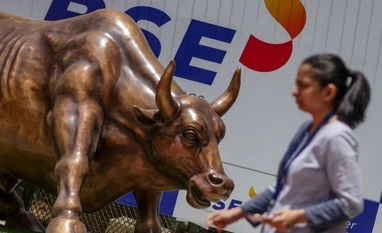 "India VIX jumps 10% on tariff fears; no need to panic, says Deven Choksey")


