Pension reform reversal

The fiscal burden of states will increase over time
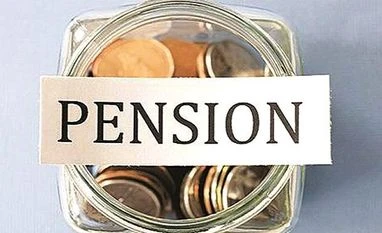
pensions, funds, retirement, investments, investors, savings
Representative image
Business Standard Editorial Comment
3 min read Last Updated : Sep 19 2023 | 10:03 PM IST
In large and diverse countries like India, it is often difficult to push economic reform with long-term potential benefits. It is thus disappointing to see hard-won reforms being reversed with significant long-term implications. One such reversal is pension for government employees. Several states such as Rajasthan, Chhattisgarh, and Jharkhand have decided to go back to the Old Pension Scheme (OPS). At a time when life expectancy is increasing, thanks to improving standards of living and medical care, the outgo on account of pension will inevitably increase and put pressure on government finances. It will leave that much less for building roads and schools. Anticipating the increase in pension liabilities, the Union government in 2004 rightly introduced the National Pension System (NPS), which was a defined-contribution scheme. Most state governments saw merit in it and adopted the scheme.

This was also in line with global trends. As a research article by economists at the Reserve Bank of India, published in its latest monthly bulletin, highlighted, there has been a shift towards defined-contribution pension plans from defined-benefit arrangements in various parts of the world. Several countries have also taken steps such as reducing pension benefits, increasing the retirement age, and raising contribution rates to reduce the burden on the exchequer. This is, in fact, necessary to maintain fiscal balance and protect essential spending on growth and development. In the Indian context, the states’ expenditure on pension has increased from 0.6 per cent of gross domestic product (GDP) in the 1990s to 1.7 per cent of GDP in 2022-23.

Since defined pension is paid from the current revenue of the government, it is worth noting that the pace of increase in pension liabilities has been higher than revenue growth, and that is simply unsustainable. In some states such as Bihar, Kerala, Uttar Pradesh, Punjab, and West Bengal, the pension outgo is in excess of 25 per cent of their revenue receipts. The immediate fiscal reason for going back to the OPS could be that the state will not have to contribute to the NPS corpus. But this is a short-sighted move because states are giving up the long-term gains of moving to the NPS. The yearly contribution of states to the retirement corpus under the NPS, according to the above-mentioned study, is expected to increase from 0.1 per cent of GDP to 0.2 per cent by 2039 and will start declining after that. This will drop to zero if states go back to the OPS. However, the outgo in the future would increase because all employees will be eligible for pension under the OPS.

The move to the OPS also seems politically motivated because, generally, employees prefer defined benefits. The risk thus is that more state governments may opt for it under political and electoral pressure. On the fiscal side, the study concludes that the cost of reversal will be enormous and the eventual pension outgo would increase by about 4.5 times than it would under the NPS. The actual amount, to be sure, is difficult to calculate because of potential changes in salary and pension, and other factors. Nonetheless, it is safe to argue that costs will increase over time and affect the discretionary spending of states. The states should thus resist opting for short-term fiscal and political gains.


One subscription. Two world-class reads.

Already subscribed? Log in

Subscribe to read the full story →
*Subscribe to Business Standard digital and get complimentary access to The New York Times

Smart Quarterly

₹900

3 Months

₹300/Month

SAVE 25%

Smart Essential

₹2,700

1 Year

₹225/Month

SAVE 46%
*Complimentary New York Times access for the 2nd year will be given after 12 months

Super Saver

₹3,900

2 Years

₹162/Month

Subscribe

Renews automatically, cancel anytime

Here’s what’s included in our digital subscription plans

Exclusive premium stories online

  • Over 30 premium stories daily, handpicked by our editors

Complimentary Access to The New York Times

  • News, Games, Cooking, Audio, Wirecutter & The Athletic

Business Standard Epaper

  • Digital replica of our daily newspaper — with options to read, save, and share

Curated Newsletters

  • Insights on markets, finance, politics, tech, and more delivered to your inbox

Market Analysis & Investment Insights

  • In-depth market analysis & insights with access to The Smart Investor

Archives

  • Repository of articles and publications dating back to 1997

Ad-free Reading

  • Uninterrupted reading experience with no advertisements

Seamless Access Across All Devices

  • Access Business Standard across devices — mobile, tablet, or PC, via web or app

Topics :Fiscal Policypension schemeBusiness Standard Editorial CommentGDP

Next Story



