Resolution rejected: SC verdict on Bhushan Power & Steel raises questions

The order is a blow to lenders. As experts have told this newspaper, lenders will have to return the recovery received through the resolution process
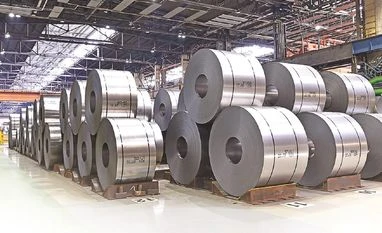
steel, steel industry
The committee of creditors (CoC) failed to apply commercial wisdom in accepting the resolution plan of JSW Steel. The court also observed that the CoC failed to protect the interests of creditors by taking contradictory positions. However, the most c
Business Standard Editorial Comment Mumbai
3 min read Last Updated : May 04 2025 | 11:18 PM IST

Don't want to miss the best from Business Standard?

The Supreme Court’s ruling last week that JSW Steel’s resolution plan for Bhushan Power & Steel Ltd (BPSL) was illegal can result in a serious setback to the process of recovery from bankruptcy. In a landmark judgment, the apex court also ordered the liquidation of BPSL, four years after its resolution plan was approved. While the affected parties may choose to appeal, the court’s order is a serious indictment of those involved and raises critical questions about the effectiveness of the resolution process under the Insolvency and Bankruptcy Code (IBC). The apex court has ruled that the resolution plan did not conform to the requirements in Section 30(2) of the IBC, among others, and noted that the resolution professional (RP) completely failed in discharging his statutory duties under the IBC. 
However, in the court’s view, the RP was not alone at fault. The committee of creditors (CoC) failed to apply commercial wisdom in accepting the resolution plan of JSW Steel. The court also observed that the CoC failed to protect the interests of creditors by taking contradictory positions. However, the most consequential part of the judgment is that the National Company Law Tribunal (NCLT) should have rejected the resolution plan under Section 31(2) of the IBC. The court ruled that JSW Steel won the bid by misrepresenting facts before the CoC. Further, even after the resolution plan was approved, it did not act for two years, and there were no legal consequences. Thus, the biggest takeaway from the order is that the procedures were not followed at almost any step, which puts a serious question mark on the bankruptcy process. If this has happened in the above-mentioned case, it can happen in others as well.
  So, what happens next? The order is a blow to lenders. As experts have told this newspaper, lenders will have to return the recovery received through the resolution process. Financial creditors received about ₹19,350 crore against their claims of about ₹47,204 crore. Leaders will have to start making provisions for this from the ongoing quarter, and that will affect profits. Further, the question is whether the liquidation of BPSL was the optimal solution. The basic idea of the IBC is to revive and save the corporate debtor through resolution. Liquidating the debtor will destroy value and serve neither the interests of the stakeholders involved nor those of the broader economy. It is, for instance, well known that the bulk of the housing construction in Delhi is unauthorised and builders do not comply with standard norms. However, a mass demolition cannot be the solution. It is also relevant to note here that the Supreme Court’s cancellation of 122 telecom licences in 2012 led only to a serious dent in business confidence — nothing ultimately came of the alleged telecom scam.
  Therefore, in economic and commercial issues, courts should also consider the unintended consequences of their decision. It is nobody’s case that the acts of omission and commission in the BPSL resolution should not be accounted for, but its liquidation could have been avoided. This sets an undesirable precedent. Perhaps the court could have asked the NCLT to look for a new bidder, while imposing significant financial penalties on those who tried to game the system. The judgment has also raised serious questions over the competence of the tribunal. In any case, delays in the resolution process were already affecting confidence, and this particular case has further eroded it. The Union government must carefully study this case to make necessary interventions in both the IBC and the institutional capacity of the tribunal.

One subscription. Two world-class reads.

Already subscribed? Log in

Subscribe to read the full story →
*Subscribe to Business Standard digital and get complimentary access to The New York Times

Smart Quarterly

₹900

3 Months

₹300/Month

SAVE 25%

Smart Essential

₹2,700

1 Year

₹225/Month

SAVE 46%
*Complimentary New York Times access for the 2nd year will be given after 12 months

Super Saver

₹3,900

2 Years

₹162/Month

Subscribe

Renews automatically, cancel anytime

Here’s what’s included in our digital subscription plans

Exclusive premium stories online

  • Over 30 premium stories daily, handpicked by our editors

Complimentary Access to The New York Times

  • News, Games, Cooking, Audio, Wirecutter & The Athletic

Business Standard Epaper

  • Digital replica of our daily newspaper — with options to read, save, and share

Curated Newsletters

  • Insights on markets, finance, politics, tech, and more delivered to your inbox

Market Analysis & Investment Insights

  • In-depth market analysis & insights with access to The Smart Investor

Archives

  • Repository of articles and publications dating back to 1997

Ad-free Reading

  • Uninterrupted reading experience with no advertisements

Seamless Access Across All Devices

  • Access Business Standard across devices — mobile, tablet, or PC, via web or app

Topics :Business Standard Editorial CommentEditorial CommentBS OpinionJSW steelSupreme CourtBhushan Power & Steel

Next Story



