YouTube is rolling out an update for creators by expanding its A/B testing tool. A/B testing is a way to compare multiple versions of something to see which one performs better. According to YouTube’s support page, the platform now lets creators test different titles. Earlier, creators could only compare thumbnail options, but those with access to advanced features in YouTube Studio can now try up to three different titles, thumbnails or a mix of both on their long-form videos.
How YouTube’s new A/B testing feature works
According to the support page, after uploading up to three variations, YouTube shows each version to different viewers over a period of up to two weeks. The platform then compares how each option performs and automatically picks the one that leads to the highest watch time. This means creators no longer need to guess which title or thumbnail is attracting viewers. They can still manually choose their preferred option if they do not agree with the automated result.
YouTube has also explained how to read test results. If one version clearly performs better, it gets a “Winner” label. If all versions perform at similar levels, creators will see “Performed Same,” which means the differences were not large enough to choose a winner. Sometimes, the test may also end without a clear result. In such cases, the first uploaded version becomes the default.
YouTube said that not every test will produce a strong winner. One common reason is that the options may be too similar, making it hard for the system to detect a meaningful difference. YouTube recommends testing versions that look noticeably different, such as changing backgrounds, text placement or overall layout. Another reason could be that the video did not receive enough impressions for the system to reach a statistically significant conclusion.
The platform also clarified why it focuses on watch time instead of click-through rate (CTR). According to YouTube, a good title and thumbnail should not only attract clicks but also guide viewers to content that matches their expectations. By optimising for watch time, YouTube aims to highlight combinations that lead to meaningful engagement rather than accidental clicks.

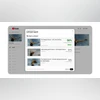 "YouTube now lets creators test different titles and thumbnails on videos")


 Connect with us on WhatsApp