When I first examined the specifications of the Apple Watch Series 11, it appeared similar to the Series 10. The changes seemed incremental and mostly cosmetic. After using the Watch for over two months, I realised the experience is more nuanced, even though the headline feature, hypertension detection, is not available in India.
The improvements do not stand out in isolation, but they alter the user experience over time. Much of the design, software, and functionality feels familiar, yet the refinements collectively contribute to usability in ways that do not immediately appear on a specification sheet.
Design remains unchanged
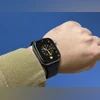
At first glance, the Watch Series 11 retains the design language of the previous generation. The aluminium model I reviewed comes in a new space grey finish. The display is protected by Ion-X glass, aimed at reducing micro-abrasions from daily use. These changes are subtle and easy to overlook initially.
Over time, the colour finish proved versatile and neutral, making it suitable across attire types and use cases. I had reservations about the previous generation colours appearing too specific in tone, especially in formal settings, and the space grey option addresses that concern.
To evaluate the durability of the Ion-X panel, I subjected the Series 11 to the same daily wear pattern as the Series 10, including physical activity, occasional accidental knocks, and deliberate friction stress tests. Both watches withstood the routine without visible scratches. While this does not establish long-term resilience, the protection appears adequate for everyday use.
5G connectivity
Unlike design, connectivity receives a generational update with support for 5G on compatible networks such as Airtel and Reliance Jio. However, given the current performance inconsistencies across 5G deployments in India, the benefit is limited.
The Watch itself does not currently offer features that rely on high-bandwidth data transfer. The utility of 5G therefore shifts towards latch-on reliability rather than speed. During testing in low-network urban pockets, however, the Series 11 retained signal where the Series 10 intermittently disconnected, which may matter for users relying on cellular mode for calls or emergency notifications.
Health features evolve
In my years of testing the Apple Watch Series, I have learned that it is more than a beautiful timepiece or a smartwatch offering convenient access to smartphone utilities, but also a well-rounded health and fitness device. This year’s model adds hypertension detection to an already extensive suite of health features, including irregular rhythm notifications, blood oxygen monitoring, and the ECG app. However, as mentioned above, this standout feature, exclusive to the Watch Series 11, is currently unavailable in units sold in the country.
watchOS 26
Where the Watch Series 11 benefits all users, regardless of geography, is software. watchOS 26 introduces Sleep Score and Workout Buddy.
Sleep Score translates sleep metrics into a more digestible summary. The insights remain data-driven, but interpretation is simplified through actionable suggestions surfaced in both the Watch interface and the Health app on the paired iPhone. Over time, this helped me adjust sleep cycles with small behavioural changes rather than relying on raw data interpretation.
Workout Buddy, in contrast, initially offered encouragement but eventually felt intrusive. While the audible prompts may help users who train with performance-centric tracking, I found them disruptive to concentration. Physical routines, for me, work better without real-time performance narration. The feature can be muted, which I did after a few sessions.
Battery life improves
Battery life has long been a constraint for the Apple Watch lineup. The Series 11 improves efficiency sufficiently to stretch through a full day of active use and an additional night of sleep tracking, with limited buffer for the next morning. Power saving mode can offset urgency, but overall endurance remains modest.
It does not compare to multi-day fitness watches from Garmin and Fitbit, which prioritise longevity over continuous background processes and a bright OLED display.
Charging speeds remain roughly an hour from zero to full. However, the initial charge curve is faster, enabling five to six hours of mixed use from a brief ten-minute charge.
Who should consider it
The Watch Series 11 refines the experience but does not transform it. The upgrades are meaningful for users on older models and modest for those upgrading from recent generations.
From Series 7 or older: noticeable gains across performance, display, durability and health features.
From Series 8 and 9: incremental changes unlikely to justify cost.
From Series 10: upgrade dependent on future India release of hypertension detection.
Apple Watch Series 11: Price and variants
- Starting price: ₹46,900
- Sizes: 42 mm, 46 mm
- Aluminium colours: Jet Black, Rose Gold, Silver, Space Grey
- Titanium colours: Natural, Gold, Slate
Apple Watch Series 11: Unboxing
The retail package retains minimal packaging with the Watch body and band packed separately. No charging brick is included, only the magnetic charging cable.


 "Apple Watch Series 11 review: Refines performance but adds limited features")


