Home / World News / 'AI can help shipping industry cut emissions by 47 mn tonnes every year'
'AI can help shipping industry cut emissions by 47 mn tonnes every year'
The use of the technology could reduce the need for maneuvers and route deviation from close encounters with high-risk marine targets
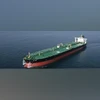
Shipping, responsible for moving about 90 per cent of global trade, contributes nearly 3 per cent to the world's carbon dioxide emissions. (Representative Image)
2 min read Last Updated : Jun 18 2024 | 12:05 PM IST
The global commercial shipping industry could cut down its carbon emissions by 47 million tonnes per year by deploying artificial intelligence for sea navigation, a study by autonomous shipping startup Orca AI showed on Tuesday.
The use of the technology could reduce the need for maneuvers and route deviation from close encounters with high-risk marine targets such as vessels, buoys and sea mammals by alerting the crew in real time, according to the report.
WHY IT IS IMPORTANT
Shipping, responsible for moving about 90 per cent of global trade, contributes nearly 3 per cent to the world's carbon dioxide emissions. This share is anticipated to rise in the coming years unless stricter pollution control measures are implemented.
The International Maritime Organization aims to cut emissions by 20 per cent by 2030, a target under threat from the ongoing Red Sea crisis.
KEY QUOTE
"In the short term, it can lead to fewer crew members on the bridge, while those who are on the bridge will have a reduced workload and more attention to tackle complex navigational tasks, optimising the voyage and reducing fuel and emissions," Orca AI CEO Yarden Gross told Reuters. "In the long term, it will open the door to fully autonomous shipping."
CONTEXT
Global carbon dioxide shipping emissions reached an estimated 858 million tonnes in 2022, a marginal rise from the previous year, according to the Organization for Economic Cooperation and Development. An average of 2,976 marine incidents are reported per year, Orca AI's study showed.
BY THE NUMBERS
The reduction in route deviations could help ships shave off 38.2 million nautical miles per year from their travel, saving an average of $100,000 in fuel costs per vessel, according to Orca AI's report. AI could also lower close encounters by 33 per cent in open waters, it said.

 "'AI can help shipping industry cut emissions by 47 mn tonnes every year'")


