Home / World News / Iran's presidential candidates spar over lack of solutions before runoff
Iran's presidential candidates spar over lack of solutions before runoff
During a more than two-hour debate on public TV, reformist candidate Masoud Pezeshkian attacked his competitor, Saeed Jalili, a hard-line former nuclear negotiator, for his lack of experience
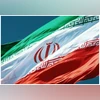
Iran's presidential candidates on Monday accused each other of having no solution for the country's problems ahead of Friday's runoff election. Photo: Unsplash
Iran's presidential candidates on Monday accused each other of having no solution for the country's problems ahead of Friday's runoff election aimed at choosing a successor for the late President Ebrahim Raisi, who died last month in a helicopter crash.
During a more than two-hour debate on public TV, reformist candidate Masoud Pezeshkian attacked his competitor, Saeed Jalili, a hard-line former nuclear negotiator, for his lack of experience, saying: Tell me, what single company have you ever managed to make you capable of running the country?
Jalili, who is known as the Living Martyr after losing a leg in the 1980s Iran-Iraq war and is famous among Western diplomats for his haranguing lectures and hard-line stances, defended himself highlighting his career and several positions held, including that of top nuclear negotiator.
Pezeshkian further questioned his opponent on what plans he would have for reaching a nuclear deal, with Jalili responding he would approach it "based on strength not weakness, without providing details.
Jalili accused Pezeshkian of having no plans for managing the country, saying his presidency would drive the country to a backward position, as it was under relatively moderate former President Hassan Rouhani (2013-2021).
Rouhani struck a nuclear deal with world powers that capped Iran's uranium enrichment in return to lifting sanctions but later, in 2018, President Trump pulled the US out from the landmark deal abruptly restoring harsh sanctions on Iran.
Jalili said that with the support of people, Iran would achieve an economic growth of 8 per cent a year, a promise Pezeshkian mocked, saying authorities should be allowed to execute him if he failed to deliver on it.
Iran must implement "a dynamic foreign policy if it wants to have a successful economy, Jalili said, adding that it should not be limited to those nations that it has a problem with a reference to the US and the western world. Instead, he said, "Iran should look to the other 200 nations in the world where foreign relations should be improved."
Pezeshkian said his foreign policy will be based on engagement with the world" including engaging in "negotiations for lifting sanctions.
Both sides promised to address the problems of the country's poor, workers, women, ethnic groups and religious minorities, and vowed to provide better and faster internet a plea to a younger generation that showed apathy during Friday's vote.
Pezeshkian and Jalili also said the low turnout in the first round the lowest-ever poll turnout in the Islamic Republic's history should be probed.
It is not acceptable that some 60 per cent (of voters) did not cast a ballot, said Pezeshkian.
The candidates will have their second and last debate Tuesday.
(Only the headline and picture of this report may have been reworked by the Business Standard staff; the rest of the content is auto-generated from a syndicated feed.)

 "Iran's presidential candidates spar over lack of solutions before runoff")


