
Russia central bank jacks up key interest rate by 350 basis points to 12%
The decision to bring the key rate to 12% was announced after a meeting of the bank's board of directors was called Monday as the ruble declined
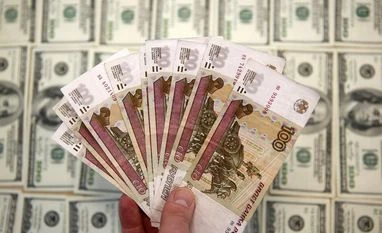 "Russia central bank jacks up key interest rate by 350 basis points to 12%")
Explore Business Standard

Associate Sponsors
Co-sponsor
The decision to bring the key rate to 12% was announced after a meeting of the bank's board of directors was called Monday as the ruble declined
Russia's central bank on Tuesday made a large interest rate hike of 3.5 percentage points, an emergency move designed to fight inflation and strengthen the ruble after the country's currency reached its lowest value since early in the war with Ukraine.
The decision to bring the key rate to 12% was announced after a meeting of the bank's board of directors was called Monday as the ruble declined. The fall comes as Moscow increases military spending and Western sanctions weigh on its energy exports.
The Russian currency passed 101 rubles to the dollar on Monday and lingered there Tuesday, losing more than a third of its value since the beginning of the year and hitting the lowest level in almost 17 months.
The central bank says demand has exceeded the country's ability to expand economic output, increasing inflation and affecting the ruble's exchange rate dynamics through elevated demand for imports.
Consequently, the pass-through of the ruble's depreciation to prices is gaining momentum and inflation expectations are on the rise, the bank said in a statement.
President Vladimir Putin's economic adviser, Maksim Oreshkin, on Monday blamed the weak ruble on loose monetary policy in an op-ed, adding that central bank has all the tools necessary to stabilize the situation and that he expects normalization shortly.
By raising borrowing costs, the central bank is trying to fight price spikes as Russia imports more and exports less, especially oil and natural gas, with defense spending going up and sanctions taking a toll. Importing more and exporting less means a smaller trade surplus, which typically weighs on a country's currency.
The bank also made a big rate hike of 1% last month, saying inflation is expected to keep rising and the fall in the ruble is adding to the risk. Its next meeting on interest rates is planned for Sept. 15.
After Western countries imposed sanctions on Russia over the invasion of Ukraine in February 2022, the ruble plunged as low as 130 to the dollar, but the central bank raised its key interest rate to as high as 20% in the days afterward and enacted capital controls that stabilized the currency's value. It has cut rates in the months since.
(Only the headline and picture of this report may have been reworked by the Business Standard staff; the rest of the content is auto-generated from a syndicated feed.)
First Published: Aug 15 2023 | 10:43 PM IST

