Home / World News / SL criticises Britain's 'unilateral' sanctions on its former generals
SL criticises Britain's 'unilateral' sanctions on its former generals
The UK government also sanctioned Vinyagamurthy Muralidaran, the deputy leader of the LTTE, who later turned a rebel of the group and became a deputy minister in the national parliament
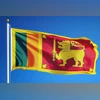
The UK government's sanctions on General Silva follow a similar action against him by the US State Department in 2020. | Image: Wikimedia Commons
Sri Lanka on Wednesday slammed the British government's "unilateral action" to sanction its three former military commanders, who led the campaign that crushed the LTTE in 2009, saying the move will complicate the national reconciliation process.
A UK foreign office statement Monday said Sri Lanka's three military commanders - former Army Commanders Gen Shavendra Silva, Jagath Jayasuriya and former Navy Commander Wasantha Karannagoda - were among those sanctioned and subjected to UK travel bans and asset freezes.
The UK government also sanctioned Vinyagamurthy Muralidaran, the deputy leader of the LTTE, who later turned a rebel of the group and became a deputy minister in the national parliament.
In a statement on Wednesday, the Ministry of Foreign Affairs said that "such unilateral actions by countries do not assist but serve to complicate the national reconciliation process underway in Sri Lanka".
"The government is in the process of strengthening domestic mechanisms on accountability and reconciliation and any past human rights violations should be dealt with through domestic accountability mechanisms," the ministry said.
Foreign Minister Vijitha Herath conveyed Sri Lanka's position to British High Commissioner Andrew Patrick, it added.
Rights abuses alleged on both government troops and the LTTE during the final battle in 2009 caused four UN rights resolutions, which called for international mechanisms for the prosecution of alleged perpetrators.
Sri Lanka outrightly rejected resolutions and said local mechanisms would be set up. Rights groups charge that only minimal progress has been made despite pledges.
The UK government's sanctions on General Silva follow a similar action against him by the US State Department in 2020.
In 2023, Canada sanctioned two former presidents, Mahinda and Gotabaya Rajapaksa.
The two Rajapaksa brothers led the military campaign which crushed the LTTE, ending their three decades of armed struggle to create a separate Tamil homeland in the north and east regions.
General Silva and Karannagoda were key commanders in the three-year campaign.
The Liberation Tigers of Tamil Eelam (LTTE) ran a parallel state in the north and east regions of Sri Lanka in their bid to set up a separate homeland for the minority Tamils, claiming discrimination at the hands of the Sinhalese.
On May 18, 2009, the Sri Lankan Army declared victory with the discovery of the body of the dreaded LTTE leader Velupillai Prabakaran.
According to Sri Lankan government figures, over 20,000 people are missing due to various conflicts, including the three-decade war with Tamil militants in the north and east, which claimed at least 100,000 lives.
(Only the headline and picture of this report may have been reworked by the Business Standard staff; the rest of the content is auto-generated from a syndicated feed.)

 "SL criticises Britain's 'unilateral' sanctions on its former generals")


 Connect with us on WhatsApp