Spain declares national emergency over wildfires, France asks EU for help
French authorities ordered the total evacuation of the Cap Ferret peninsula, a tourism hotspot busy for the summer season, as smoke and flames drew closer to homes
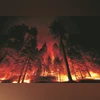
Reuters Spain declared a national emergency over wildfires for the first time on Friday, and France asked for help from the European Union (EU) to tackle a blaze on the Atlantic coast as searing heat fuelled fires across Europe and forced tens of thousands of evacuations.
French authorities ordered the total evacuation of the Cap Ferret peninsula, a tourism hotspot busy for the summer season, as smoke and flames drew closer to homes.
About 63,000 people were evacuated from the area, many brought to safety by boat, officials said. Close by, in the town of Biscarrosse, another large fire also forced residents to leave their homes.
“From our home, we had a view of the fires ... We could see the clouds becoming darker and darker,” said Yoan Urien, 26, who left late on Thursday after police told everyone in his neighbourhood to leave.
“I was able to find somewhere to take shelter with my pets, but ... it’s quite a shock,” he told Reuters. A fire that began in Saumos, north of Cap Ferret, is threatening to cut off the only road out of the peninsula and is the largest so far this season in France, Interior Minister Laurent Nunez told local television.
It has torn through 10,000 hectares (24,700 acres) of land and burned 80 homes, completely destroying about 50 of them, he said. In Spain, more than 10,000 people were evacuated from towns in the mountains west of the capital, Madrid, as firefighters sought to prevent three fires in the region and neighbouring Avila province from joining, Interior Minister Fernando Grande-Marlaska said.
The area, where many residents from the capital have second homes, is densely populated. That played a role in the government decision to declare a national emergency, allowing it to better coordinate the response, Grande-Marlaska said, adding that the aggressive nature of the fires and hot, windy weather also prompted the move.

 "Spain declares national emergency over wildfires, France asks EU for help")


