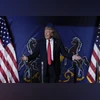
The federal judge presiding over the election subversion case against former President Donald Trump has rejected a defence effort to dismiss the indictment on claims that he was prosecuted for vindictive and political purposes.
The ruling from US District Judge Tanya Chutkan on Saturday is the first substantive order since the case was returned to her Friday following a landmark Supreme Court opinion last month that conferred broad immunity for former presidents and narrowed special counsel Jack Smith's case against Trump.
In their motion to dismiss the indictment, defence lawyers argued that Trump was mistreated because he was prosecuted even though others who have challenged election results have avoided criminal charges. Trump, the Republican nominee in the 2024 presidential race, also suggested that President Joe Biden and the Justice Department launched a prosecution to prevent him from winning reelection.
But Chutkan rejected both arguments, saying Trump was not charged simply for challenging election results but instead for knowingly making false statements in furtherance of criminal conspiracies and for obstruction of election certification proceedings. She also said that his lawyers had misread news media articles that they had cited in arguing that the prosecution was political in nature.
After reviewing Defendant's evidence and arguments, the court cannot conclude that he has carried his burden to establish either actual vindictiveness or the presumption of it, and so finds no basis for dismissing this case on those grounds, Chutkan wrote in her order.
Also Saturday, she scheduled an August 16 status conference to discuss next steps in the case.
The four-count indictment, brought in August 2023, accuses Trump of conspiring to overturn the results of the 2020 election he lost to Biden through a variety of schemes, including by badgering his vice president, Mike Pence, to block the formal certification of electoral votes.
Trump's lawyers argued that he was immune from prosecution as a former president, and the case has been on hold since December as his appeal worked its way through the courts.
The Supreme Court, in a 6-3 opinion, held that presidents enjoy absolute immunity for core constitutional duties and are presumptively immune from prosecution for all other official acts. The justices sent the case back to Chutkan to determine which acts alleged in the indictment can remain part of the prosecution and which must be discarded.
You’ve reached your limit of {{free_limit}} free articles this month.
Subscribe now for unlimited access.
Already subscribed? Log in
Subscribe to read the full story →
Smart Quarterly
₹900
3 Months
₹300/Month
Smart Essential
₹2,700
1 Year
₹225/Month
Super Saver
₹3,900
2 Years
₹162/Month
Renews automatically, cancel anytime
Here’s what’s included in our digital subscription plans
Exclusive premium stories online
Over 30 premium stories daily, handpicked by our editors


Complimentary Access to The New York Times
News, Games, Cooking, Audio, Wirecutter & The Athletic
Business Standard Epaper
Digital replica of our daily newspaper — with options to read, save, and share


Curated Newsletters
Insights on markets, finance, politics, tech, and more delivered to your inbox
Market Analysis & Investment Insights
In-depth market analysis & insights with access to The Smart Investor


Archives
Repository of articles and publications dating back to 1997
Ad-free Reading
Uninterrupted reading experience with no advertisements


Seamless Access Across All Devices
Access Business Standard across devices — mobile, tablet, or PC, via web or app
)