The government named Urjit Patel as the successor to Rajan on August 20, 2016, and he took over from Rajan on September 4. Quoting RBI presses, HT says the “first stage of printing process” was initiated on August 22, the first working day after the government named Patel the next central bank chief.
However, the RBI told the parliamentary panel on finance that it got permission to print Rs 2,000 notes on June 7, 2016. The HT report based on RTI queries also says that the presses were advised in June 2016, to initiate production of new series notes. This indicates that RBI presses could have started printing the notes with Patel’s signature even while Rajan was in office.
The decision to scrap old Rs 1,000 and Rs 500 was announced by Prime Minister Narendra Modi on November 8. But the HT report says the printing process for the redesigned Rs 500 notes started only on November 23.


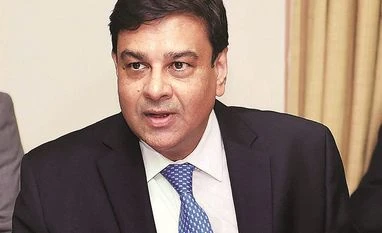 "Urjit Patel")