


IGI's new drug ISB 2001 shows promise in treating multiple Myeloma
The drug is designed to treat a type of blood cancer - relapsed or refractory multiple myeloma - in patients who haven't responded well to other treatments
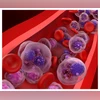 "Myeloma, Multiple Myeloma")
The findings, presented at the American Society of Hematology (ASH) Annual Meeting in San Diego, revealed that ISB 2001 was well-tolerated, with no cases of dose-limiting toxicity or neurotoxicity | Photo: Shutterstock
Listen to This Article
Ichnos Glenmark Innovation (IGI), a biotechnology company, has announced promising early findings from a clinical trial testing a new drug called ISB 2001. The drug is designed to treat a type of blood cancer — relapsed or refractory multiple myeloma — in patients who haven't responded well to other treatments.
The Phase 1 trial involved 20 patients who had already received multiple prior therapies. The results showed that ISB 2001 was effective in a high number of patients, with an overall response rate of 83 percent at active doses. The treatment appeared to be safe, with no serious side effects reported. Patients experienced mostly mild flu-like symptoms and no nerve damage. Additionally, the drug’s half-life of over 10 days suggests that it stays active in the body for a long time, which could allow for less frequent dosing.
Developed using IGI’s BEAT protein platform, ISB 2001 targets multiple markers on myeloma cells and activates T cells, enhancing its effectiveness while maintaining safety. The drug is designed for patients who have exhausted existing therapies, including CAR-T cell treatments and bispecific antibodies.
“These results are among the most impressive I have seen in this patient population,” said Dr. Hang Quach, a hematology expert from the University of Melbourne. “ISB 2001 has the potential to transform treatment options for heavily pretreated multiple myeloma patients.”
The findings, presented at the American Society of Hematology (ASH) Annual Meeting in San Diego, revealed that ISB 2001 was well-tolerated, with no cases of dose-limiting toxicity or neurotoxicity.
With durable responses and minimal side effects, the trial's success paves the way for dose-expansion studies to determine optimal dosing. IGI aims to advance the drug’s development to address critical unmet needs in treating advanced multiple myeloma.
More From This Section

 "maternal education, pregnancy, pregnant woman")
 "Narendra Modi, modi")
 "JP Nadda, Nadda")
 "pills")
 "medicine, drugs, antibiotics")
Don't miss the most important news and views of the day. Get them on our Telegram channel
First Published: Dec 10 2024 | 3:09 PM IST