


US tourist visa denied over 'English fluency' doubt: What Indians must note
A 36-year-old Indian man and his elderly parents were denied US tourist visas despite ₹50 lakh in savings and a two-week holiday plan. Here's what went wrong
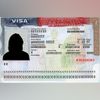 "US Visa")
Section 214(b) is the most common ground for US tourist visa refusal
Listen to This Article
Planning to apply for a US visa? Indians must note that even small lies or misunderstandings can lead to rejection.
A 36-year-old man recently shared on Reddit how he and his elderly parents were denied tourist visas at the US Embassy in New Delhi. “No questions were asked about our jobs, about our ties back home, previous travel, nothing,” the man wrote.
Well-prepared, but still refused
The applicant works as the operations head of an IT company and earns ₹15 lakh per year. According to his post, he had over ₹20 lakh in savings and investments. His parents, both in their seventies, work as client managers at a publishing firm, earning ₹8 lakh and ₹7.5 lakh respectively. Together, the family reported savings of over ₹50 lakh, and also owned property.
They had planned a two-week holiday across New York, Los Angeles and San Francisco during Christmas. Hotel bookings had been made, and an itinerary prepared.
Also Read

 "US visa interview")
 "US visa, H4, H1B")
 "US university, US colleges, American universities, US college, ivy league")
 "US visa")
 "US colleges ask foreign students to get to campus before Trump takes office")
At the visa interview, the applicant greeted the officer and informed them that his parents were not fluent in English. A Hindi translator was arranged. But midway through the conversation, the officer remarked, “You said your parents don’t know English, and your mother is speaking fine.”
Soon after, the interview was brought to an end. All three applicants were handed refusal slips under Section 214(b) of the Immigration and Nationality Act.
Why Section 214(b) matters
Section 214(b) is the most common ground for tourist visa refusal. It applies when an applicant fails to convince the visa officer that they will return to their home country after visiting the US.
The US Department of State has frequently said that a visa is a privilege—not a guaranteed right—and can be denied or revoked if the consular officer doubts the applicant's intent or credibility.
Even small discrepancies or perceived contradictions—such as in this case, where the mother’s English ability was questioned—can trigger refusal under this section.
What is a US B2 visa?
The B2 visa is a non-immigrant visa for tourism purposes. According to the US Bureau of Consular Affairs, it covers:
Holidays or vacation travel
Visiting friends or relatives
Attending social events hosted by organisations
Receiving medical treatment
Participation in musical or sports events, if not paid
Enrolment in short recreational courses
Applicants must demonstrate strong ties to their home country, including financial stability, property, employment, or family responsibilities.
The consular officer has wide discretion, and interviews often last only a few minutes. There is usually no appeal once a visa is denied under Section 214(b), though reapplication is possible with new information.
More From This Section
 "Nepal_Flag (Photo: Wikipedia)")
 "Canada")
 "India has recorded the second-highest increase in domestic airfares in the Asia-Pacific (APAC) and West Asian regions, climbing by 43 per cent in the first half of 2024 compared to pre-pandemic levels in 2019, second only to Vietnam (63 per cent). In")
 "IGI Airport")
 "IPOs, global travel industry, Markets News, travel industry, travel")
Topics : US visa immigration BS Web Reports
Don't miss the most important news and views of the day. Get them on our Telegram channel
First Published: Sep 03 2025 | 9:11 AM IST