The United States did not invent democracy, liberty or constitutionalism, but it gave these principles a powerful modern form. Its Constitution, federal structure, independent judiciary, Bill of Rights and culture of public debate influenced many later democracies. The record was never pure. Slavery, civil war, racial segregation, and continuing social divisions showed that America often failed to live by its own promises. Yet its capacity for correction through courts, protest, legislation, and public argument remains part of its strength.
In trade and commerce, America’s contribution is immense. After the Second World War, it helped build the institutions and norms that supported global economic integration: the World Bank, the International Monetary Fund, and later the World Trade Organization. It opened one of the world’s largest consumer markets to goods from the rest of the world. The American market became a ladder for export-led growth across the world. For India also, the United States became a major destination for
merchandise exports, pharmaceuticals, gems, and jewellery, engineering goods, textiles, IT services and professional talent.
America also shaped the infrastructure of modern trade. The US dollar became the principal currency of invoicing, reserves, and international settlement. American banks, insurers, law firms, rating agencies, logistics companies, software firms and technology platforms helped define the operating system of global commerce. Even when goods are manufactured in Asia, the design, patents, software, branding, financing, data architecture and consumer demand often carry a strong American imprint.
At a personal level, I use technology from the Western world, especially the United States, extensively every day. My professional work, communication, research, writing, data storage, banking, access to judgments and notifications, and interaction with global clients depend on tools, standards and platforms developed or scaled largely in the United States. The modern exporter, importer, consultant, banker or freight forwarder works inside a digital ecosystem that America did much to create. Yet a balanced assessment must recognise the other side. America has not always practised the free trade it preached. In recent years, it has weaponised tariffs, sanctions and export controls against its trading partners and also weakened or bypassed some of the great institutions it helped create. Its foreign policy has also caused deep resentment in many parts of the world.
Still, the larger contribution cannot be dismissed. At its best, America combined freedom with enterprise, immigration with innovation, and markets with institutions. It helped create a world where goods, services, capital, ideas and talent could move more freely than before. At 250, America deserves neither blind admiration nor easy condemnation; for all its contradictions, it remains the most consequential commercial and technological power of the modern age. It deserves a careful acknowledgement: the world trades more, communicates faster, innovates more boldly and works more digitally because of the United States.
Email: tncrajagopalan@gmail.com


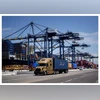 "US economy, trade, global trade")