The administration is rushing to replace this baseline rate with specific tariffs under Section 301 of the US Trade Act of 1974, a clause designed to take action against unjustifiable or unreasonable practices by trading partners. Section 301 is not, as written, straightforward to apply; it requires the US trade representative to investigate the country in question and demonstrate its violations. Thus, Washington is in a race against time. It has already claimed that 60-odd countries, including India, are too lenient on forced labour; it has further launched investigation into 16 countries, including India, supposedly for “excess capacity and production” in manufacturing.
The question raised by these circumstances is twofold. First, will these tariffs, if applied to India, add up to more than the 18 per cent rate that had been agreed upon in the initial framework? And, second, does the trade deal or the cumulative Section 301 tariff rate maintain a comparative advantage for Indian exports to the US vis-a-vis its peer nations? It is entirely possible that countries such as, say, Pakistan, will wind up only with a 10 per cent rate under a single Section 301 investigation after all the dust has settled. This would seriously disadvantage Indian garment exports, among others. India’s negotiators should thus recognise this altered environment and push at the very least for a lower base rate in the final agreement that reflects the need to maintain comparative advantage. Some would argue it is better to try and stall the final agreement in order to see what rates other countries finally achieve. But that runs the risk of alienating an unpredictable US administration. It is better to outline clearly India’s needs, and seek a compromise.
Indian officials should also examine the tactics being used by other nations or blocs in a similar situation. The European Parliament, for example, has inserted a “sunset clause” into the European Union’s agreement with the US. It requires the European Commission to begin an assessment of the deal’s effects on European industry and consumers by the middle of 2029. While couched in politically neutral language, it is clear this is an attempt to ensure that the deal might be renegotiated in case there is a more reasonable occupant of the White House by then. India must also ensure that it is not locked into an adverse position. US Trade Representative Jamieson Greer’s visit this week will provide an opportune moment to press India’s position.


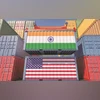 "India US trade deal")