


'China has been hit much harder': Trump defends tariffs amid market slump
Donald Trump's post follows a major decline in US stock markets the previous day, which heightened concerns about a possible global economic slowdown
 "Donald Trump, Trump")
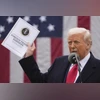
President Donald Trump speaks during an event to announce new tariffs in the Rose Garden at the White House. (Photo: PTI)
Listen to This Article
US President Donald Trump on Saturday (April 5) asserted that China is suffering more significantly than the United States due to the ongoing trade war sparked by tariffs introduced under his leadership.
“China has been hit much harder than the USA, not even close,” Trump posted on Truth Social. “They, and many other nations, have treated us unsustainably badly. We have been the dumb and helpless ‘whipping post’ but not any longer.”
His remarks come after major decline in US stock markets the previous day, which heightened concerns about a possible global economic slowdown. Nevertheless, Trump stood by his administration’s aggressive trade approach, arguing it was essential to defend American jobs and revive domestic investment.
“We are bringing back jobs and businesses like never before. Already, more than FIVE TRILLION DOLLARS OF INVESTMENT, and rising fast! THIS IS AN ECONOMIC REVOLUTION, AND WE WILL WIN. HANG TOUGH, it won’t be easy, but the end result will be historic. We will, MAKE AMERICA GREAT AGAIN,” he continued.
Also Read

 "US India Trade")
 "Donald Trump, Trump")
 "JD Vance, Vance")
 "retail, e-commerce, ecommerce, online shopping")
 "Donald Trump, US President Trump")
US-China trade war
Tensions rose further this week after China declared new tariffs on American products. Starting April 10, a new 34 per cent tariff will be levied on all US imports, in addition to existing duties, according to a statement from China’s finance ministry.
In retaliation for US tariff increases, China’s foreign ministry stated it would continue taking firm action to safeguard its economic interests. “The US should stop using tariffs as a weapon to suppress China’s economy and trade, stop undermining the legitimate development rights of the Chinese people,” the ministry said.
Trump’s administration has now increased tariffs on Chinese imports by another 34 per cent, pushing the total tariff level this year to 54 per cent.
These actions are part of a wider effort aimed at reshaping trade relationships with several US partners. Significantly, Trump also announced a 26 per cent tariff on India, half the rate that India charges on US imports. However, rising trade tensions between the world’s top two economies -- US and China -- have heightened investor worries about potential threats to global economic growth.
More From This Section
 "US-Taiwan, US, Taiwan")
 "Russian invasion of Ukraine")
 "Chevron")
 "apple, iPhone, a person holding mobile, call, text")
 "Pete Hegseth")
Topics : Donald Trump Trump tariffs US China trade war US stock market Global economy US export China exports
Don't miss the most important news and views of the day. Get them on our Telegram channel
First Published: Apr 05 2025 | 8:59 PM IST