


Syrian govt and Kurdish-led forces hold talks to discuss military merger
A major sticking point has been whether the SDF would remain a cohesive unit in the new army or whether it would be dissolved and its members individually absorbed
 "Syria, Syrian Rebels")
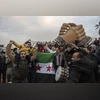
The SDF said in a statement Sunday that a delegation led by top commander Mazloum Abdi held talks with government officials in Damascus related to the military integration process (Photo: PTI)
Listen to This Article
Syrian government officials held talks Sunday with the commander of the main Kurdish-led force in the country over plans to merge it with the national army, state media reported, adding that no tangible results had been achieved.
The leadership in Damascus under interim President Ahmad al-Sharaa inked a deal in March with the Kurdish-led and US-backed Syrian Democratic Forces, which control much of the northeast. The SDF was to merge with the Syrian army by the end of 2025, but there have been disagreements on how it would happen.
A major sticking point has been whether the SDF would remain a cohesive unit in the new army or whether it would be dissolved and its members individually absorbed.
The SDF said in a statement Sunday that a delegation led by top commander Mazloum Abdi held talks with government officials in Damascus related to the military integration process.
The SDF later said talks had ended, with details to be released later. The SDF has tens of thousands of fighters and is the main force to be absorbed into Syria's military.
Also Read

 "Syria, civil war")
 "Alawites protest, Syrian protest, protest in Syria")
 "explosion")
 "Syria, Syria flag")
 "During his meeting with US President Donald Trump, Jordan's King Abdullah II said that the Palestinian children, many suffering from cancer or in critical condition, would be transferred to Jordan 'as quickly as possible'. | Credit: X@Potus")
State TV said the meeting did not produce "tangible results that would accelerate implementation of the agreement. It said the sides agreed to hold further meetings at a later date.
The deal signed in March also would bring all border crossings with Iraq and Turkey and airports and oil fields in the northeast under the central government's control. Prisons holding about 9,000 suspected members of the Islamic State group also are expected to come under government control.
Turkey, which enjoys wide influence in Syria, has been opposed to the SDF joining the army as a single unit. Ankara considers the SDF a terrorist organization because of its association with the Kurdistan Workers' Party, or PKK, which has waged a long-running insurgency in Turkey, although a peace process is now underway.
In late December, clashes broke out between security forces and SDF fighters in the northern city of Aleppo during a visit to Syria by Turkey's foreign minister.
Sunday's meetings in Damascus came hours after three rockets struck a western neighbourhood of the capital, causing some damage to a mosque and a telecommunications centre without inflicting casualties, state media said.
The state news agency called the rockets random without giving details on where they were fired from or who was behind it.
(Only the headline and picture of this report may have been reworked by the Business Standard staff; the rest of the content is auto-generated from a syndicated feed.)
More From This Section
 "Venezuela")
 "Donald Trump, Trump")
 "greenland")
 "Taiwan flag, Taiwan")
 "Nicolás Maduro is a Venezuelan politician")
Don't miss the most important news and views of the day. Get them on our Telegram channel
First Published: Jan 05 2026 | 8:59 AM IST