


US sanctions Serbia's main oil supplier, which is controlled by Russia
Serbia almost entirely depends on Russian gas and oil supplies, which it receives mainly through pipelines in Croatia and other neighbouring states
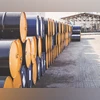 "Oil")
Petroleum Industry of Serbia (NIS) said Thursday it had failed to secure another postponement of the US sanctions, which could jeopardise its efforts to secure oil and gas deliveries in a longer term.
Listen to This Article
The United States has introduced sanctions against Serbia's main oil supplier, which is controlled by Russia, the company said on Thursday.
Serbia almost entirely depends on Russian gas and oil supplies, which it receives mainly through pipelines in Croatia and other neighbouring states. The gas is then distributed by Petroleum Industry of Serbia (NIS), which is majority-owned by Russia's state oil monopoly Gazprom Neft.
NIS said Thursday it had failed to secure another postponement of the US sanctions, which could jeopardise its efforts to secure oil and gas deliveries in a longer term.
The special license from the US Department of the Treasury, which enables unhindered operational business, has not yet been extended, NIS said in a statement. It added that it has stored enough supplies to keep the operation moving for customers for a longer while.
It also said problems could occur at NIS gasoline stations with payment made by foreign bank credit cards but added that that cash payments would be accepted.
Also Read

 "H-1B Visa")
 "Lupin Pharma")
 "Donald Trump, Trump")
 "Nvidia")
 "Donald Trump, Trump")
The US Treasury's Office of Foreign Assets Control originally placed sanctions on Russia's oil sector on January 10 and gave Gazprom Neft a deadline to exit ownership of NIS, which it didn't do.
US officials have not commented.
Although formally seeking European Union membership, Serbia has refused to join Western sanctions against Russia over its invasion in Ukraine, in part because of the crucial Russian gas deliveries.
The Serbia's pro-Russian President Aleksandar Vucic is facing one of the biggest threats to more than a decade of his increasingly autocratic rule.
Protests have been held by university students and others following the collapse almost a year ago of a concrete canopy at a railway station in the country's north that killed 16 people.
Many in Serbia believe rampant corruption and nepotism among state officials led to sloppy work on the building reconstruction, which was part of a wider railroad project with Chinese state companies.
(Only the headline and picture of this report may have been reworked by the Business Standard staff; the rest of the content is auto-generated from a syndicated feed.)
More From This Section
 "Keir Starmer")
 "Donald Trump, Trump")
 "solar-thermal power plant")
 "rare earth magnets")
 "China Taiwan")
Don't miss the most important news and views of the day. Get them on our Telegram channel
First Published: Oct 09 2025 | 4:29 PM IST