It is official. Online marketplace Snapdeal would be changing its business model for the fourth time and its inspiration, just like earlier, would be Alibaba. In the next few weeks, Snapdeal is going to change from a pure-play marketplace to a Taobao — a consumer-to-consumer e-commerce marketplace.
Taobao, founded by the Alibaba in 2003, does not charge transaction fees and is free for merchants. It allows merchants the option to buy advertising, and earns revenues from the advertisements posted by them.
Snapdeal co-founders Kunal Bahl and Rohit Bansal are used to coming up with new business models — mostly to survive. In the past seven years, Snapdeal has converted itself from an offline deals and discounts company to an online one. In 2012, it moved to become an online pure-play marketplace. Last year, it created a new app-based ecosystem in which it had a marketplace (Snapdeal), host of services, including food ordering, travel booking, bill payments and it all hinged upon FreeCharge.
The consumer-to-consumer business model has so far seen little success in the country. eBay, which entered in 2004 by acquiring Baazee.com, had to exit the business after selling it to Flipkart. Bahl and Bansal had to shutter Shoppo, a similar experiment earlier this year.
Snapdeal will also have to battle deeply-funded firms such as Naspers-owned OLX, Tiger Global-backed Quikr and Amazon-backed Junglee. Alibaba's entry into India with Paytm also opens up opportunity for it to replicate its China success in the country.
Yet, Bahl is confident. While claiming that the deal with Flipkart was incredibly complex to execute, he said that the management firmly believed in “Snapdeal 2.0”. Part of the new model, he said, would have a laser focus on being a champion for all sellers in India, enabling anyone to set up a store online in minutes and focusing on providing large selection of products at great prices.
Bahl went on to say that the company has made tremendous progress towards the new path over the past few months and is already profitable at a gross profit (or net margin) level, with clear visibility to making upwards of Rs 150 crore in gross profit in the next 12 months.
“Finally, with the ongoing streamlining of costs and sale of some of our assets, such as FreeCharge, we are financially self-sufficient and do not need to raise additional capital to reach profitability. Needless to say, we will need to keep a tight control on our costs and work towards becoming a hyper efficient culture delivering profitable growth, month on month,” Bahl said.

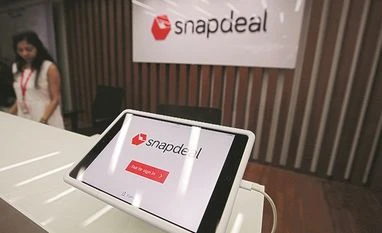 "Survival of the fittest: Snapdeal 2.0 is about being the Taobao of India")











