Bharat Biotech's Covaxin has tolerable safety, says Lancet study

Sharing the interim findings, the paper said that the vaccine was well tolerated in all dose groups with no vaccine-related adverse events
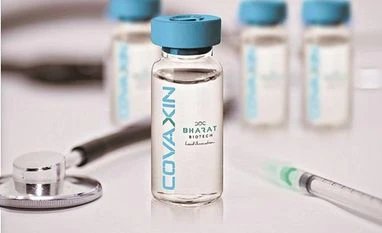
Covaxin, bharat biotech, covid, coronavirus, vaccine, drugs, medicine, pharma
The most common adverse event was pain at the injection site, followed by headache, fatigue and fever
Ruchika Chitravanshi New Delhi
2 min read Last Updated : Jan 22 2021 | 10:59 PM IST
Bharat Biotech’s Covaxin, which has courted controversy over its restricted use approval despite the lack of efficacy data, has shown tolerable safety outcomes and enhanced immune response in the phase one study, said a paper published in British medical journal Lancet.

Sharing the interim findings, the paper said that the vaccine was well tolerated in all dose groups with no vaccine-related adverse events. The most common adverse event was pain at the injection site, followed by headache, fatigue and fever.

“The overall incidence of solicited local and systemic adverse events in this study was 14–21 per cent in all vaccine-treated groups, which is noticeably lower than the rates for other SARS-CoV-2 vaccine platform candidates,” the paper said.


It also noted that the study population did not have ethnic diversity and most of the participants were men, “further underscoring the importance of assessing BBV152 (the code name for the vaccine) in other populations”.

The study was conducted with volunteers from diverse geographic locations within India, enrolling 375 participants across 11 hospitals. The enrolment, which occurred during the national lockdown and during a period when Covid cases were surging in the country, posed an operational challenge for the study. However, the participation retention rate was around 97 per cent. 


“Because this is an interim report, we are not reporting any data on the persistence of vaccine-induced antibody responses or long-term safety outcomes. The results reported here do not permit efficacy assessments.”  

“With several reports questioning the efficacy of SARS-CoV-2 vaccines against antigenically divergent strains, we report neutralising responses to homologous and heterologous strains,” the paper added. 

Before granting the recommendation to proceed with the enrolment of other cohorts, masked safety data was reviewed by the data safety monitoring board to ensure no operational bias was introduced, the study mentioned. 

Between July 13-30, 897 individuals were screened and 375 were enrolled. Of the 522 who were excluded, 133 participants were left out because they were positive for SARS-CoV-2, and the other 153 weren’t considered because of abnormal laboratory values.

One subscription. Two world-class reads.

Already subscribed? Log in

Subscribe to read the full story →
*Subscribe to Business Standard digital and get complimentary access to The New York Times

Smart Quarterly

₹900

3 Months

₹300/Month

SAVE 25%

Smart Essential

₹2,700

1 Year

₹225/Month

SAVE 46%
*Complimentary New York Times access for the 2nd year will be given after 12 months

Super Saver

₹3,900

2 Years

₹162/Month

Subscribe

Renews automatically, cancel anytime

Here’s what’s included in our digital subscription plans

Exclusive premium stories online

  • Over 30 premium stories daily, handpicked by our editors

Complimentary Access to The New York Times

  • News, Games, Cooking, Audio, Wirecutter & The Athletic

Business Standard Epaper

  • Digital replica of our daily newspaper — with options to read, save, and share

Curated Newsletters

  • Insights on markets, finance, politics, tech, and more delivered to your inbox

Market Analysis & Investment Insights

  • In-depth market analysis & insights with access to The Smart Investor

Archives

  • Repository of articles and publications dating back to 1997

Ad-free Reading

  • Uninterrupted reading experience with no advertisements

Seamless Access Across All Devices

  • Access Business Standard across devices — mobile, tablet, or PC, via web or app

Topics :Bharat BiotechCoronavirus VaccineLancet report

Next Story



