Covid cases rising in rural India, but vaccine coverage is falling

Data shows that rural districts now account for over a fifth of India's cases and deaths. Despite an increase, their share in vaccine coverage has dipped
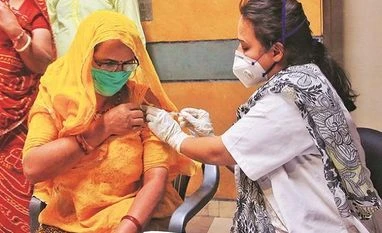
Coronavirus, vaccine, covid-19, tests
A BS analysis of district-wise vaccination shows that since the start of the second wave, more focus is going towards cities.
Ishaan Gera
5 min read Last Updated : May 14 2021 | 3:57 PM IST

Don't want to miss the best from Business Standard?

The government may be right in targeting cities for Covid vaccination, given that a significant proportion of infections and deaths are coming from these areas. Still, a Business Standard analysis shows that rural areas may be catching up fast.

Until two months ago, rural India accounted for only 10.8 per cent of the daily infections. Now its share in daily cases has more than doubled. In the last fortnight, rural districts accounted for 22.9 per cent share of the daily cases. On the other hand, their share in deaths has marginally declined from 21.2 per cent to 21 per cent in the corresponding period.


This may be due to under-reporting in rural districts; it can also be that deaths usually occur with a lag. So the country may witness a rising death toll in rural areas in the coming weeks.


What is clear is that the governments need to pivot their vaccination strategy to these regions. While it is vital to vaccinate clusters where infections and deaths are growing faster than the national average, it is about time that the government focuses on vaccinating those aged above 45 in rural areas.

A lack of medical facilities and care in these districts can spell doom for millions.

But a Business Standard analysis of district-wise vaccination shows that since the start of the second wave, more focus is going towards cities. While urban districts accounted for 44.6 per cent of daily vaccinations for the fortnight till March 1, this ratio has increased to 48 per cent on April 15. In the last fortnight, nearly half of the country’s vaccines have gone to urban areas.


Subsequently, the share of rural districts in vaccinations has declined from 36 per cent to 32.8 per cent. Even semi-urban districts--these witnessed a 50 per cent increase in the share of infections since the start of the second wave-- have seen vaccination share dip from 19.4 per cent to 16.7 per cent.


A statewide analysis of urban and rural districts makes the case more interesting. In Andhra Pradesh, Karnataka and Maharashtra, the share of rural vaccination has increased faster than urban vaccination. Bihar and Jharkhand have also witnessed an increase in rural share, but they have been omitted from our analysis given that over 80 per cent of these states' districts are rural.

In Maharashtra, data indicates that the share of rural infections has almost tripled since the start of the second wave. It is one of the few states where the share of deaths in rural areas has also increased. So, the state has done well to shift the vaccination to rural areas as well. While rural districts accounted for 17.9 per cent of vaccination till March 1, today, their 15-day average share is 19.8 per cent.


Similarly, in Andhra Pradesh, as rural infections have increased, vaccination strategy has shifted to rural areas. From 10.2 per cent, rural areas now account for 12 per cent of the daily vaccination in the state.

In Karnataka, despite rural areas accounting for 8.5 per cent of the total cases, the share of vaccination has increased to 15 per cent.


However, the worrying aspect is that the pace of vaccination has been declining across the county. Until a month ago, the compounded daily growth rate of immunisation was 4.2 per cent; this declined to 2.1 per cent on May 1 and is 1.1 per cent today. Urban and semi-urban districts have witnessed the sharpest decline during this period.


Whether it is lockdown, vaccine hesitancy or supply bottlenecks playing their part, the government needs to resolve the situation fast.

One subscription. Two world-class reads.

Already subscribed? Log in

Subscribe to read the full story →
*Subscribe to Business Standard digital and get complimentary access to The New York Times

Smart Quarterly

₹900

3 Months

₹300/Month

SAVE 25%

Smart Essential

₹2,700

1 Year

₹225/Month

SAVE 46%
*Complimentary New York Times access for the 2nd year will be given after 12 months

Super Saver

₹3,900

2 Years

₹162/Month

Subscribe

Renews automatically, cancel anytime

Here’s what’s included in our digital subscription plans

Exclusive premium stories online

  • Over 30 premium stories daily, handpicked by our editors

Complimentary Access to The New York Times

  • News, Games, Cooking, Audio, Wirecutter & The Athletic

Business Standard Epaper

  • Digital replica of our daily newspaper — with options to read, save, and share

Curated Newsletters

  • Insights on markets, finance, politics, tech, and more delivered to your inbox

Market Analysis & Investment Insights

  • In-depth market analysis & insights with access to The Smart Investor

Archives

  • Repository of articles and publications dating back to 1997

Ad-free Reading

  • Uninterrupted reading experience with no advertisements

Seamless Access Across All Devices

  • Access Business Standard across devices — mobile, tablet, or PC, via web or app

Topics :CoronavirusCoronavirus TestsCoronavirus Vaccine

Next Story



