Over 3.2 mn central govt employees to go on strike from 11 July
Protest over 'retrograde' and 'negative' recommendations of seventh pay commission
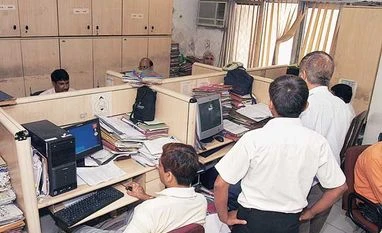
Sudheer Pal Singh New Delhi More than 3.2 million employees of the central government would go on indefinite strike beginning 11 July protesting what they call “retrograde and negative” recommendations of the seventh central pay commission.
National Federation of Indian Railwaymen (NFIR) General Secretary M Raghavaiah -- who is also the Chairman of the National Joint Council for Action for all central government employees – said the government’s response to the charter of demands submitted by the trade unions in December 2015 was disappointing and casual.
“Consequently, the organizations of the central government employees – Railways, Defence, Postal, Income Tax, Central Customs & Excise etc – whose number is over 32 lakh, have taken unanimous decision on 3 June 2016 to go on indefinite strike from 11 July 2016,” NFIR said in a statement.
The rail trade union and its affiliate organizations, which represent more than 90 per cent of the railways 1.3 million workers, have also decided to serve strike notice on the General Managers of various railway zones and production units on 9 June in support of the charter of demands.
NFIR was compelled to decide to serve the strike notice, even as it was keen for a negotiated settlement, due to the “procrastination of matters” by the government, NFIR Press Secretary Somnath malik said. He added the pay panel’s recommendations are required to be modified through settlement with employees’ federations in order to maintain industrial relations.
The trade unions’ demands include rejecting all the “retrograde” recommendations of the seventh pay commission; improving minimum wage to Rs 26,000; scrapping the New Pension Scheme; Scrap the recommendations of the Bibek Debroy committee for modernization of Indian Railways; recalling the Foreign Direct Investment (FDI) notification of issued in August 2014 in construction, operation and maintenance of railways.
The unions have also demanded the government should scrap all agreements entered into with foreign companies as well as national companies which are detrimental to the interests of railways; scrap the “anti-worker” amendments made in the labour laws; and ensure pay parity in pay structure and promotional scope for all workers in the central ministries.

 "Over 3.2 mn central govt employees to go on strike from 11 July")


 Connect with us on WhatsApp