
NBFCs approach RBI for inclusion as beneficiaries to on-tap TLTRO
NBFCs have written to the Reserve Bank of India (RBI) to include them as beneficiaries for availing funds under on tap targeted long-term repo operations (TLTRO) scheme.
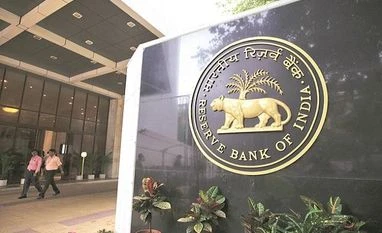 "NBFCs approach RBI for inclusion as beneficiaries to on-tap TLTRO")
WebinarsNew
Deep DiveNew
Explore Business Standard
NBFCs have written to the Reserve Bank of India (RBI) to include them as beneficiaries for availing funds under on tap targeted long-term repo operations (TLTRO) scheme.
Non-banking financial companies (NBFCs) have written to the Reserve Bank of India (RBI) to include them as beneficiaries for availing funds under on tap targeted long-term repo operations (TLTRO) scheme.
To ensure comfortable liquidity conditions in the system, the RBI on October 9 announced to conduct on tap TLTRO worth Rs 1 lakh crore.
The central bank had said the liquidity availed by banks under the scheme has to be deployed in corporate bonds, commercial papers and non-convertible debentures issued by the entities in specific sectors. Banks can also use the fundsto extend credit to thesespecific sectors.
The central bank made sectors such as agriculture agri-infrastructure, secured retail, micro, small and medium enterprises (MSMEs) and drugs, pharmaceuticals and healthcare, eligible for deployment of funds availed under on tap TLTRO.
In a letter written to RBI Governor Shaktikanta Das, Finance Industry Development Council (FIDC), a representative body of (NBFCs), said while sections including agriculture, MSME and retail are covered, NBFCs have not been included as a sector which could avail funds under the on tap TLTRO scheme.
The industry body said NBFCs are well recognised conduits for reaching out last mile credit to the crucial sectors such as agriculture, agri-infrastructure, MSMEs, secured retail and drugs among others.
NBFCs borrow only for the purpose of on-lending and hence can act as a force-multiplier and join hands with the banking system in expanding the credit reach to various sectors.
"Allowing banks to permit NBFCs to access these (on tap TLTRO) funds for the targeted lending to the desired segments of the economy would significantly facilitate achievement of the RBI's objective of launching this truly remarkable scheme, the letter said.
The industry body also suggested to carve out a part of the on tap TLTRO funds for the NBFCs including small NBFCs to avail of loans from banks for the purposes of on-lending to the desired sectors only.
The on tap TLTRO scheme will remain operational from October 22, 2020 till March 31, 2021.
(Only the headline and picture of this report may have been reworked by the Business Standard staff; the rest of the content is auto-generated from a syndicated feed.)
First Published: Oct 23 2020 | 7:11 PM IST

