Interest rate waivers for loans during moratorium to harm depositors: AIBDA

It further added that historically, the sovereign covered the loan interest waivers, but in the current situation, a shortfall in revenues both at the Centre and state level will not permit the same
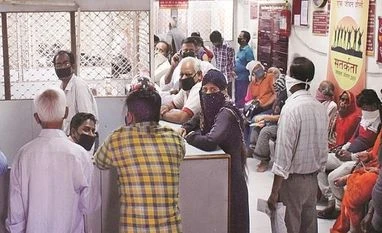
bank, loans, deposits, bankers, accounts, savings
The AIBDA said media reports on the Supreme Court observations have been
Press Trust of India
2 min read Last Updated : Jun 17 2020 | 2:14 PM IST

Interest rate waivers for bank loans during moratorium will harm the depositors, the All India Bank Depositors' Association (AIBDA) has said adding that interest waiver of any kind will dent the credit culture and also impact the financial health of banks.

Bank depositors will be "severely hit" if a waiver on interest rates is allowed, as banks would inevitably seek to cover their potential or actual loss of interest income through further cutbacks in the deposit interest rates, it said.

It further added that historically, the sovereign covered the loan interest waivers, but in the current situation, a shortfall in revenues both at the Centre and state level will not permit the same.

Meanwhile, on June 12, the Supreme Court had asked the Centre and the Reserve Bank of India (RBI) to hold a meeting within three days to decide on waiver of interest on interest for deferred payments of instalments for loans during the moratorium period announced in wake of the coronavirus-induced lockdown.

ALSO READ: Moratorium on loans: SC gives 3 days to FinMin, RBI to decide on interest

"Our query is very limited on whether there can be waiver of interest on interest," a bench of Justices Ashok Bhushan, S K Kaul and M R Shahhad said, adding it will take a balanced view of the matter.

The AIBDA said media reports on the Supreme Court observations have been "extremely unnerving" and added that the same prompted it to make the depositors' stance known.

"We are greatly perturbed about the likely ramifications of the loan interest waiver on the banking sector, and on the prudential financial discipline of the borrowers," the association's secretary Amitha Sehgal said in the statement.

The Supreme Court should dispose-off the petition, it recommended, adding that opting for interest waiver of any kind will dent the credit culture and also impact the financial health of banks.

Credit demand has also gone down and will revive as the lockdown eases, it said, adding that the depositors' money is unlikely to be used for it as the low cost funds made available by the RBI will be deployed.

As the depositors' money is unlikely to be used, "there is a case for protection of depositors' interest by way of freezing the deposit rates at the pre-Covid-19 level," it said, adding it is yet to hear from the RBI on this.

One subscription. Two world-class reads.

Already subscribed? Log in

Subscribe to read the full story →
*Subscribe to Business Standard digital and get complimentary access to The New York Times

Smart Quarterly

₹900

3 Months

₹300/Month

SAVE 25%

Smart Essential

₹2,700

1 Year

₹225/Month

SAVE 46%
*Complimentary New York Times access for the 2nd year will be given after 12 months

Super Saver

₹3,900

2 Years

₹162/Month

Subscribe

Renews automatically, cancel anytime

Here’s what’s included in our digital subscription plans

Exclusive premium stories online

  • Over 30 premium stories daily, handpicked by our editors

Complimentary Access to The New York Times

  • News, Games, Cooking, Audio, Wirecutter & The Athletic

Business Standard Epaper

  • Digital replica of our daily newspaper — with options to read, save, and share

Curated Newsletters

  • Insights on markets, finance, politics, tech, and more delivered to your inbox

Market Analysis & Investment Insights

  • In-depth market analysis & insights with access to The Smart Investor

Archives

  • Repository of articles and publications dating back to 1997

Ad-free Reading

  • Uninterrupted reading experience with no advertisements

Seamless Access Across All Devices

  • Access Business Standard across devices — mobile, tablet, or PC, via web or app

Topics :Bank loansBank UnionEMIReserve Bank of India

Next Story




