Cognitive behavioural therapy: What we think, how we feel, how we behave

CBT has been demonstrated to be effective in a range of problems including depression, anxiety disorders, addictions, eating disorders and severe mental illness
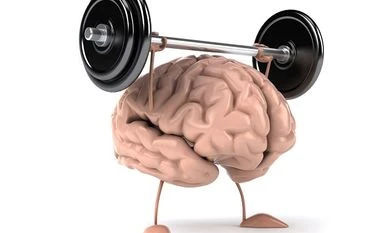
Cognitive behavioural therapy: What we think, how we feel, how we behave
Priyamvada Dua
3 min read Last Updated : Jun 29 2019 | 11:33 PM IST
Cognitive behavioural therapy (CBT) is one of the most common and best studied forms of psychotherapy. It is a combination of two therapeutic approaches, known as cognitive therapy and behavioural therapy. Which method of treatment is applied depends on the problem that needs to be addressed and treated.

The basic principle behind therapy, however, is always the same: what we think, how we feel and how we behave are closely connected. And all of these factors have a decisive influence on our well-being. CBT has been demonstrated to be effective in a range of problems including depression, anxiety disorders, addictions, eating disorders and severe mental illness.

Choosing a certain kind of psychotherapy completely depends on the goals, and CBT differs from other forms of psychotherapies in its problem-oriented strategy. It focuses on current problems and finding solutions for them. For example, unlike psychoanalysis, it does not deal primarily with the past and is much more concerned with dealing with current problems. The most important thing is helping people to help themselves so that they are able to cope with life in the future without therapy.

Some of the core principals of CBT are:

Psychological problems are based, in part, on faulty or unhelpful ways of thinking. Hence treatment usually involves strategies to change thinking patterns. These strategies might include learning to recognise one’s distortions in thinking that are creating problems, and then to re-evaluate them in light of reality; gaining a better understanding of the behaviour and motivation of others; using problem-solving skills to cope with difficult situations; and learning to develop a greater sense of confidence is one’s own abilities.

Psychological problems are based, in part, on learned patterns of unhelpful behaviour. CBT treatment also usually involves efforts to change behavioural patterns like facing one’s fears instead of avoiding them; using role playing to prepare for potentially problematic interactions with others; and learning mindfulness practices to calm the mind and relax the body.

It’s important for this process that you and your psychotherapist have a close and trusting working relationship. Hence it can sometimes take a while to find the right therapist, but it’s a very essential part of therapy.

Mostly in the first session, you will explain your current or ongoing problems and outline your expectations. This forms the basis of discussion on goals of and the therapy plan. The plan, however, can be adjusted if your personal goals change over the course of the therapy. CBT is generally a short-term treatment, but there is no standard length. Some people already feel much better after a few sessions, while others need treatment for several months. This depends on the kind and severity of the problems among other things. Also, CBT should ideally be used with other relaxation exercises, mindfulness practices, stress and pain relief methods and certain problem-solving strategies for a more pronounced and long-lasting effect.
Priyamvada Dua is a Consultant — Mindfulness Bases Cognitive Therapy, Daivam Wellness
 

One subscription. Two world-class reads.

Already subscribed? Log in

Subscribe to read the full story →
*Subscribe to Business Standard digital and get complimentary access to The New York Times

Smart Quarterly

₹900

3 Months

₹300/Month

SAVE 25%

Smart Essential

₹2,700

1 Year

₹225/Month

SAVE 46%
*Complimentary New York Times access for the 2nd year will be given after 12 months

Super Saver

₹3,900

2 Years

₹162/Month

Subscribe

Renews automatically, cancel anytime

Here’s what’s included in our digital subscription plans

Exclusive premium stories online

  • Over 30 premium stories daily, handpicked by our editors

Complimentary Access to The New York Times

  • News, Games, Cooking, Audio, Wirecutter & The Athletic

Business Standard Epaper

  • Digital replica of our daily newspaper — with options to read, save, and share

Curated Newsletters

  • Insights on markets, finance, politics, tech, and more delivered to your inbox

Market Analysis & Investment Insights

  • In-depth market analysis & insights with access to The Smart Investor

Archives

  • Repository of articles and publications dating back to 1997

Ad-free Reading

  • Uninterrupted reading experience with no advertisements

Seamless Access Across All Devices

  • Access Business Standard across devices — mobile, tablet, or PC, via web or app

Topics :Mental healthcognitive

Next Story



