Built to keep out migrants, traffickers, or an enemy group, border walls have emerged as a one-size-fits-all response to the vulnerability felt by many societies in today's globalised world, says an expert on the phenomenon.
Practically non-existent at the end of World War II, by the time the Berlin Wall fell in 1989 the number of border walls across the globe had risen to 11.
That number has since jumped to 70, prompted by an increased sense of insecurity following September 11, 2001, attacks in the United States and the 2011 Arab Spring, according to Elisabeth Vallet, director of the Observatory of Geopolitics at the University of Quebec in Montreal (UQAM).
One-third were intended to bring an end to a conflict, Vallet says, such as between north and south Cyprus, the two Koreas, and India and Pakistan.
But in recent years "three distinct types of walls have appeared, including anti-migration walls — the most common — anti-trafficking walls and anti-terrorism walls," she told AFP.
For Vallet, walls or fences are often used as a "turnkey response" to a sense of vulnerability felt when "migratory pressures are changing the nature of a society's identity, or exerting economic pressure."
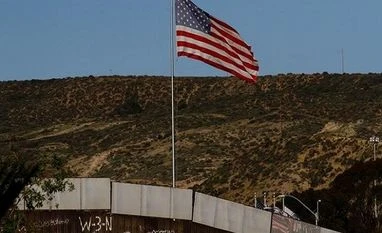
That is the case, she says, in Bulgaria, Greece or Hungary — and most prominently in the United States where President Donald Trump's flagship campaign promise was to build a wall on the border with Mexico.
Typically they represent "the divide between rich and poor, north and south," said Vallet, noting exceptions such as Saudi Arabia which has used walls to isolate itself from its neighbours.
And in an electoral context, walls are typically linked to questions of "identity," used by demagogues to cast neighbours in a bad light — and reinforce a sense of them and us.
Vallet cites data from US border officials that shows that "walls deter and slow down people, but walls never keep them out."
In some cases, there is evidence that moves to close borders can actually drive people who had not taken the decision to migrate to do so, she said, with walls fuelling the migration they are intended to curb.

 "Here are top border walls around the world")


 Connect with us on WhatsApp