Hope of Covid-19 vaccine deployment in UK by New Year, says report
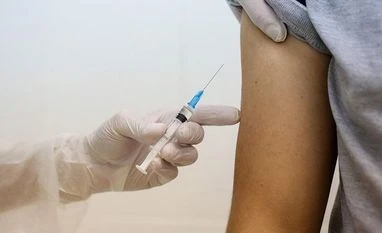
One of the UK's senior-most medical chiefs has indicated that a vaccine against COVID-19 could be ready to be deployed by the start of the New Year, according to a media report on Sunday.
Press Trust of India London One of the UK's senior-most medical chiefs has indicated that a vaccine against COVID-19 could be ready to be deployed by the start of the New Year, according to a media report on Sunday.
Jonathan Van-Tam, England's Deputy Chief Medical Officer and one of the government's advisers on the coronavirus pandemic, has reportedly told members of Parliament (MPs) that the vaccine created at Oxford University and being manufactured by AstraZeneca could be ready for rollout soon after Christmas in December.
In India, the vaccine has a Serum Institute of India tie-up as it undergoes trials.
"We aren't light years away from it. It isn't a totally unrealistic suggestion that we could deploy a vaccine soon after Christmas. That would have a significant impact on hospital admissions and deaths," The Sunday Times' quoted Van Tam as telling the MPs during a briefing last week.
An MP who attended another briefing with Van-Tam told the newspaper that the medic was "very bullish about the third stage AstraZeneca results, which he expects between the end of this month and the end of next".
"Van-Tam expects it to protect the elderly and vulnerable. He gave us to understand that it stopped the virus shedding' in the young. He said he would expect vaccination to start in January," the MP was quoted as saying.
It comes as the UK government introduced new laws on Friday that would allow larger numbers of healthcare workers to administer flu and potential COVID-19 vaccines.
"COVID-19 vaccines are being developed at speed which, if successful, will save lives," said Van-Tam, in reference to the new rules.
"All vaccines must undergo three stages of clinical trials and be assessed for safety and effectiveness by the regulator before they are given to patients. The measures outlined today aim to improve access and strengthen existing safeguards protecting patients, he said.
The Department of Health and Social Care (DHSC) said that the new measures would increase access to vaccines against potentially killer diseases and also support the government's plans for the roll-out of a potential COVID-19 vaccine that is proven to be safe and effective through robust clinical trials and approved for use by the regulator.
"The National Health Service (NHS) has vast experience in vaccinating millions of people against diseases every year," said UK Health Secretary Matt Hancock.
"These legal changes will help us in doing everything we can to make sure we are ready to roll out a safe and effective COVID-19 vaccine as soon as it has passed clinical trials and undergone rigorous checks by the regulator," he said.
The aim is to increase the number of fully trained and experienced healthcare professionals to administer COVID-19 and flu vaccines under NHS and local authority occupational health schemes, as well as enable an expanded workforce that can administer these vaccinations to the public. This will make it easier and quicker for patients and healthcare workers to access the vaccines they need, protecting them against fatal diseases, the DHSC said.
Therefore, if a vaccine is developed before 2021, the changes to the Human Medicine Regulations will bolster existing powers that enable the UK's Medicines and Healthcare products Regulatory Agency (MHRA) to authorise temporary supply for any treatment or vaccine needed to respond to a public health need.
This means that if a vaccine has been found to meet the safety, quality and effectiveness standards by the MHRA, then vaccinations can begin without needing to wait for the European Medicines Agency who up until the end of the transition period on December 31 this year would have been the only body able to grant a licence.
Dr Christian Schneider, Interim Chief Scientific Officer at the MHRA, said: "No vaccine will be deployed unless stringent standards have been met through a comprehensive clinical trial programme.
"The preferred route to enable deployment of any new vaccine remains through the usual product licensing processes. But reinforced safeguards are now in place to strengthen the regulatory regime and our ability to protect public health, should temporary authorisations be necessary."
The first vaccines are set to be given to the elderly and vulnerable, followed by vaccination of others most at risk. Any population-wide roll-out is expected to be a much longer-term process.
(Only the headline and picture of this report may have been reworked by the Business Standard staff; the rest of the content is auto-generated from a syndicated feed.)

 "Hope of Covid-19 vaccine deployment in UK by New Year, says report")

